EN



Maximize Checker Plate Stairs Durability and Safety
Checker plate stairs represent one of the most reliable solutions for industrial and commercial environments where safety and longevity are non-negotiable requirements. These specialized stair systems combine proven durability with superior slip resistance, making them essential infrastructure in warehouses, factories, refineries, and offshore platforms. Understanding how to maximize checker plate stairs durability and safety ensures your facility maintains compliance with safety standards while extending the lifespan of your stair investment significantly.
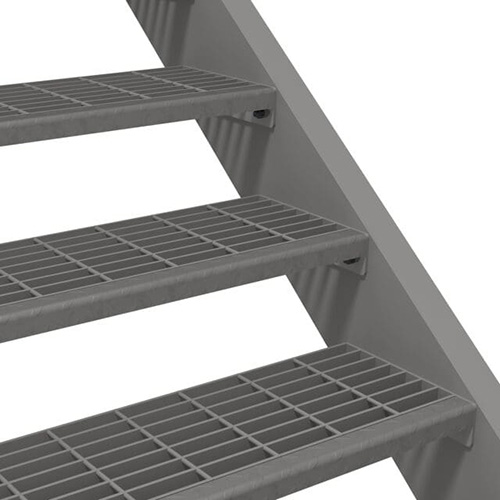
The demand for high-performance checker plate stairs continues to grow across heavy industries because they deliver consistent performance under demanding conditions. Maximizing the durability and safety of checker plate stairs requires a comprehensive understanding of material selection, installation best practices, environmental considerations, and proactive maintenance strategies. This guide explores critical factors that directly impact how long your checker plate stairs remain safe, functional, and compliant with regulatory requirements.
Material Selection for Maximum Durability
Understanding Checker Plate Stair Composition
The foundation of long-lasting checker plate stairs begins with selecting the right materials for your specific operational environment. Checker plate stairs typically consist of a steel or aluminum base with raised diamond-pattern surface texture that provides the anti-slip properties industrial settings demand. The material choice significantly influences how checker plate stairs perform under corrosion, temperature fluctuations, chemical exposure, and heavy foot traffic over extended periods.
Galvanized steel represents the industry standard for most checker plate stairs applications because it resists rust and corrosion exceptionally well. When choosing materials for your checker plate stairs, consider the environmental factors your facility experiences daily: moisture exposure, salt spray, chemical contact, extreme temperatures, or outdoor weather conditions all affect which material variant will maximize durability. High-grade stainless steel offers superior corrosion resistance for highly corrosive environments, while aluminum checker plate stairs provide lightweight alternatives without sacrificing structural integrity or safety.
Surface Texture and Pattern Quality
The quality of the diamond pattern on your checker plate stairs directly correlates with long-term safety performance and maintenance requirements. Premium checker plate stairs feature evenly raised patterns that maintain consistent slip resistance throughout the stair lifespan, whereas lower-quality surfaces may wear unevenly or flatten with repeated use. Inspect the pattern depth before installing checker plate stairs to verify the texture will provide adequate grip for decades rather than years.
Proper pattern design ensures checker plate stairs maintain their anti-slip properties even when wet, contaminated with oils, or exposed to dust and debris. The geometric precision of quality checker plate stairs means that pattern flattening occurs much more gradually, preserving safety characteristics and extending replacement intervals significantly. When evaluating checker plate stairs options, prioritize consistent pattern quality that manufacturers can guarantee across the entire stair assembly.
Installation Best Practices for Safety and Longevity
Proper Mounting and Structural Integration
Installing checker plate stairs correctly establishes the foundation for both immediate safety and long-term durability in your facility. Proper mounting requires secure fastening to support structures using corrosion-resistant hardware that matches the material grade of your checker plate stairs themselves. Misaligned or loosely mounted checker plate stairs create dangerous conditions and accelerate wear patterns that compromise safety and reduce lifespan significantly.
Each component of your checker plate stairs installation must account for the weight loads, vibration patterns, and environmental stresses specific to your operation. Professional installation of checker plate stairs ensures that tread depth, riser height, and handrail positioning all meet building codes and safety standards while optimizing ergonomics for daily users. Structural integration directly affects how checker plate stairs perform during thermal expansion, seismic activity, or high-traffic periods that could compromise poorly installed systems.
Fastening Systems and Expansion Considerations
The fastening systems securing your checker plate stairs must accommodate thermal expansion and contraction cycles to prevent stress fractures or separation. Stainless steel fasteners prevent corrosion at connection points where water, salt spray, or chemicals could accelerate deterioration of standard hardware. Industrial environments often experience dramatic temperature swings that cause metal expansion and contraction, making proper fastener selection absolutely critical for maintaining checker plate stairs integrity.
Expansion joints and flexible mounting systems allow checker plate stairs to move naturally without developing stress concentrations that lead to premature failure. Quality installation accounts for vibration transmission from machinery, foot traffic patterns, and environmental loading that could otherwise cause fastening systems to loosen over time. Certified technicians understand these nuances when installing checker plate stairs, ensuring every connection maintains integrity across decades of operational service.
Maintenance Strategies for Extended Performance
Routine Cleaning and Inspection Protocols
Consistent maintenance dramatically extends checker plate stairs durability by preventing debris accumulation, addressing corrosion early, and preserving anti-slip surface characteristics. Regular cleaning removes oils, chemicals, dust, and contaminants that accelerate material degradation and reduce traction safety. Implementing routine inspection schedules for your checker plate stairs identifies loose fasteners, surface damage, or corrosion spots before they develop into safety hazards requiring stair closure or emergency replacement.
Pressure washing checker plate stairs requires care to avoid forcing water into fastening points or joint spaces where moisture becomes trapped. Regular visual inspections reveal changes in surface texture that indicate pattern wear, corrosion initiation, or material fatigue that may warrant intervention. Facilities that prioritize preventive maintenance on checker plate stairs consistently report fewer incidents, longer replacement intervals, and significantly lower total cost of ownership across their stair systems.
Corrosion Prevention and Protective Coatings
Protecting your checker plate stairs from environmental corrosion requires understanding the specific hazards your facility presents and applying appropriate protective measures. Specialized coatings can enhance the natural corrosion resistance of galvanized or stainless steel checker plate stairs when environments introduce extreme chemical exposure. Sealing fastener points and connection joints prevents water intrusion that causes rust formation in areas vulnerable to moisture accumulation.
Seasonal maintenance for outdoor checker plate stairs should include inspections after winter de-icing salt application, summer rain events, and fall debris accumulation. Applying protective coatings specifically formulated for anti-slip surfaces maintains both safety characteristics and material integrity without compromising the traction properties that make checker plate stairs essential. Temperature-resistant coatings in high-heat environments like furnace facilities or kitchen areas preserve checker plate stairs performance where standard coatings would fail.
FAQ
How often should checker plate stairs be inspected for safety compliance?
Checker plate stairs should be inspected at minimum quarterly in high-traffic facilities and annually in standard industrial environments. However, facilities experiencing harsh environmental conditions such as coastal salt spray, heavy chemical exposure, or extreme temperature fluctuations should increase inspection frequency to monthly intervals. OSHA regulations and industry standards recommend formal documented inspections of checker plate stairs before conditions deteriorate to unsafe levels, with corrective actions implemented promptly.
What is the typical lifespan of quality checker plate stairs?
Well-maintained checker plate stairs constructed from premium materials typically remain safe and functional for 15 to 25 years depending on environmental conditions and usage intensity. Facilities that implement rigorous maintenance protocols consistently achieve longevity at the higher end of this range, while those in severe environments may experience shorter service intervals. Investing in high-grade checker plate stairs materials and professional installation generally reduces replacement frequency compared to lower-cost alternatives that deteriorate more rapidly.
Can existing checker plate stairs be refurbished instead of replaced?
Many checker plate stairs can be successfully refurbished through surface restoration, fastener replacement, and protective coating application when structural integrity remains sound. Assessing the depth of pattern wear on your checker plate stairs determines whether refinishing will restore adequate anti-slip properties or if replacement becomes necessary for safety compliance. Professional evaluation of existing checker plate stairs identifies whether refurbishment provides sufficient durability extension to justify the investment versus full replacement with modern systems.