EN



Choosing Grating for 2026 Projects: Essential Guide
Selecting the right grating for your upcoming 2026 projects is one of the most critical decisions you'll make in facility planning and infrastructure development. The quality and type of grating you choose directly impacts safety, durability, maintenance costs, and operational efficiency across decades. Whether you're designing new industrial platforms, upgrading walkways, or constructing drainage systems, understanding grating specifications and performance characteristics is essential to avoiding costly mistakes and ensuring your projects meet regulatory standards.
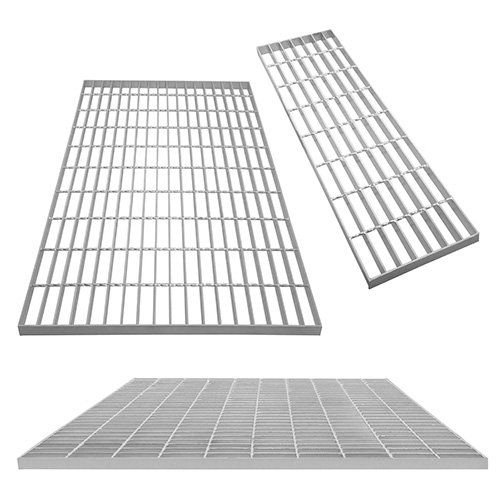
The grating market has evolved significantly, with new materials, load-bearing capabilities, and corrosion-resistant options emerging to address modern industrial demands. Your choice of grating will affect everything from initial capital expenditure to long-term operational performance. This comprehensive guide walks you through the essential factors for choosing grating that aligns with your project requirements, budget constraints, and environmental conditions. By the end, you'll have a clear framework for evaluating grating options and making informed decisions that protect your investment.
Understanding Grating Types and Material Options
Steel Grating and Its Industrial Applications
Steel grating remains the most widely used solution across industrial, commercial, and municipal applications. The popularity of steel grating stems from its exceptional strength-to-weight ratio, affordability, and proven track record in heavy-duty environments. When selecting steel grating, you must consider whether standard carbon steel meets your needs or whether you require galvanized grating for corrosion resistance. Standard steel grating works well for indoor facilities, warehouses, and protected environments where moisture exposure is minimal. However, for coastal areas, chemical plants, or outdoor installations, galvanized grating provides superior protection against rust and extends service life significantly. The thickness and open area percentage of steel grating directly influence its load-bearing capacity and slip resistance, making these specifications critical to your project requirements.
When evaluating grating options for your 2026 projects, understanding the bearing bar dimensions and cross-rod spacing of steel grating ensures compatibility with your drainage needs and safety requirements. Thicker bearing bars and denser spacing patterns increase the weight capacity of grating but reduce drainage efficiency. The choice between welded and bolted steel grating also affects installation timelines and long-term maintenance. Welded grating offers permanent installation with minimal maintenance, while bolted grating provides flexibility for reconfiguration or replacement of damaged sections.
Alternative Materials and Specialized Grating Solutions
Beyond traditional steel options, fiberglass reinforced polymer (FRP) grating has emerged as a valuable alternative for specific project conditions. FRP grating offers complete corrosion immunity, making it ideal for food processing facilities, pharmaceutical manufacturing, wastewater treatment plants, and other chemically aggressive environments. The non-conductive properties of FRP grating also make it suitable for electrical substations and areas where static discharge poses safety risks. Aluminum grating represents another specialized option, particularly valued in lightweight applications, aerospace facilities, and environments where electrolytic corrosion between different metals is a concern. When comparing these materials to traditional steel grating, consider initial cost, installed weight, load capacity, maintenance requirements, and expected service life. Specialty grating materials often command premium pricing but deliver superior performance in niche applications where standard grating would fail prematurely or create safety hazards.
Critical Selection Criteria for Your 2026 Project
Load Capacity and Structural Integrity Assessment
Determining the appropriate load-bearing capacity of grating is fundamental to safe project design. Static load requirements represent the permanent weight your grating must support, including equipment, machinery, and accumulated material. Dynamic load factors must also be calculated, accounting for impact from moving machinery, personnel movement patterns, and operational vibrations. When specifying grating for industrial environments, engineers typically apply safety factors that exceed minimum calculated loads by 25 to 50 percent, depending on application risk profiles. Understanding whether your grating needs to support concentrated point loads or distributed loads changes material selection and design approach significantly. Point loads from stationary equipment require thicker bearing bars and closer support spacing, while distributed loads across walkways can utilize lighter grating specifications. The deflection characteristics of grating under maximum anticipated load should never exceed industry standards, typically limited to 1/240 of the span for safety-critical applications.
When selecting grating for 2026 projects, working with structural engineers to model your specific load scenarios ensures you choose grating that performs reliably throughout its intended service life. Oversizing grating for safety margins is generally more cost-effective than experiencing premature failure, facility downtime, or injury incidents.
Environmental Exposure and Corrosion Protection Strategy
The environmental conditions surrounding your grating installation dramatically influence material selection and corrosion protection approach. Outdoor grating faces UV exposure, moisture infiltration, salt spray in coastal regions, and temperature fluctuations that accelerate material degradation. Indoor industrial grating in humid environments, chemical plants, or food processing facilities requires corrosion-resistant specifications to prevent premature failure and contamination risks. Galvanized grating provides cost-effective corrosion protection for many applications, with zinc coating thickness typically ranging from 35 to 50 microns depending on exposure severity classifications. For extreme environments, hot-dip galvanized grating with additional epoxy topcoat provides multilayered protection that extends service life to 40 or more years. Stainless steel grating offers maximum corrosion resistance for pharmaceutical facilities, marine environments, and processes where metal contamination cannot be tolerated. Evaluating your specific environmental conditions against grating material specifications ensures you select products capable of meeting performance requirements without unnecessary over-specification that inflates project costs.
Installation, Maintenance, and Long-Term Performance Planning
Installation Methods and Project Timeline Integration
The installation approach for grating significantly affects project schedules, labor costs, and ongoing maintenance requirements. Welded grating installation requires skilled welders, precise layout procedures, and quality inspection protocols that extend project timelines but create permanently bonded systems with minimal maintenance needs. Bolted grating systems enable rapid installation, can accommodate field adjustments, and facilitate future modifications or component replacement without extensive rework. When planning your 2026 project timeline, consult with installation contractors experienced in grating systems to understand realistic labor hours, equipment requirements, and potential scheduling challenges. Site conditions including space constraints, existing structural conditions, and weather exposure significantly impact installation complexity and duration. For large-scale grating installations, phased deployment strategies can minimize operational disruption while allowing project completion within extended timelines. Pre-fabricated grating modules can accelerate installation while maintaining quality standards and design specifications.
Maintenance Planning and Total Cost of Ownership Analysis
Understanding the maintenance requirements of your selected grating materials is essential to accurate total cost of ownership calculations. Galvanized steel grating typically requires annual inspection for zinc coating integrity and removal of debris accumulation that promotes moisture retention and corrosion initiation. High-traffic areas with accumulated dirt, salt, or chemical residues require more frequent cleaning to prevent localized corrosion and extend service life. FRP grating and stainless steel grating demand less frequent maintenance but may require specialized cleaning procedures to prevent surface damage or discoloration. Developing comprehensive maintenance protocols during project planning phases ensures your facility management team understands inspection schedules, cleaning requirements, and replacement triggers. Preventive maintenance investments typically cost far less than emergency grating replacement, facility downtime, and potential safety incidents resulting from material failure. Budgeting for grating maintenance throughout the facility lifecycle ensures your 2026 project investment continues delivering reliable performance for decades.
FAQ
What are the main differences between welded and bolted grating systems?
Welded grating features bearing bars and cross-rods fused together at intersection points, creating a monolithic structure with maximum rigidity and no potential for component separation. Installation requires skilled welders and quality inspection but produces a system with exceptional strength and minimal ongoing maintenance. Bolted grating uses fasteners to connect components, enabling faster installation, field adjustments, and replacement of damaged sections without full system replacement. Bolted grating systems are ideal for applications where flexibility, reconfiguration capability, or rapid deployment are priorities, though they may require periodic fastener inspection and tightening. Your project requirements, installation timeline, and operational flexibility needs should guide the choice between these grating system types.
How do I determine the correct grating thickness and open area for my application?
Grating thickness and open area percentage are determined by calculated load requirements, drainage specifications, and slip resistance standards for your specific application. Higher load capacity demands thicker bearing bars and closer cross-rod spacing, which reduces open area and drainage efficiency. Conversely, applications requiring maximum drainage may utilize thinner grating with larger open areas, which necessitates careful load capacity verification. Industry standards and building codes provide guidance on minimum specifications for common applications, but your structural engineer should perform calculations specific to your facility conditions. Consulting with grating manufacturers ensures you select products that satisfy all performance and safety requirements while optimizing cost and operational characteristics.
Is stainless steel grating worth the premium cost for my project?
Stainless steel grating justifies premium pricing in specific high-corrosion environments including food processing facilities, pharmaceutical manufacturing, marine installations, and chemical plants where contamination or material degradation poses operational risks. For standard industrial applications with moderate environmental exposure, galvanized steel grating typically provides superior cost-to-performance value. However, when total cost of ownership includes replacement cycles, maintenance requirements, and facility downtime consequences, stainless steel grating often delivers better economics over 20 to 40-year facility lifecycles in corrosive environments. Evaluate your specific environmental conditions, regulatory requirements, production sensitivity to material contamination, and expected facility lifespan to determine whether stainless steel grating merits the initial investment premium.