EN



Steel Grate Bridges: Benefits for Urban Planning
Urban planners face constant pressure to develop infrastructure that balances functionality, safety, and cost-efficiency while maintaining aesthetic appeal. A steel grate bridge represents a modern solution that addresses these competing demands in ways traditional bridge designs often cannot. These innovative structures combine industrial strength with practical advantages that make them increasingly popular in contemporary city development projects across diverse environments and applications.
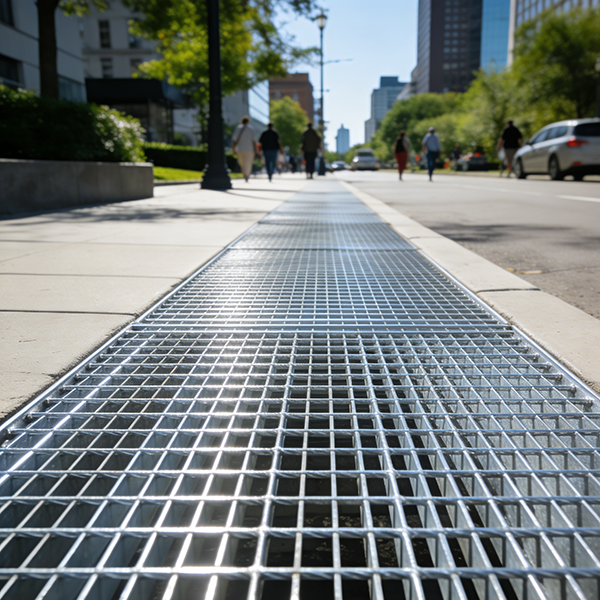
The design philosophy behind a steel grate bridge fundamentally differs from conventional solid bridge construction. Rather than relying on closed decking that blocks visibility and drainage, steel grate bridge systems utilize open steel lattice patterns that allow light, water, and air to pass through naturally. This fundamental characteristic transforms how urban spaces function, creating opportunities for better environmental integration, improved safety outcomes, and reduced maintenance burdens that city administrators must navigate when selecting infrastructure solutions.
Structural Advantages and Durability Benefits
Long-Term Performance in Urban Environments
A steel grate bridge engineered with proper material specifications delivers exceptional longevity under demanding urban conditions. The open structure prevents water accumulation and pooling, which eliminates one of the primary causes of accelerated corrosion and structural degradation in traditional bridge designs. Municipal departments appreciate how a steel grate bridge requires minimal maintenance compared to closed-deck alternatives, reducing operational costs and service interruptions that disrupt city traffic patterns and pedestrian flow.
The manufacturing quality of a steel grate bridge directly influences its ability to withstand freeze-thaw cycles, chemical exposure from road salt, and heavy vehicular loads. Advanced galvanizing processes and corrosion-resistant coatings ensure that a steel grate bridge maintains structural integrity for decades, even in harsh coastal or industrial environments. This durability translates into extended asset life and predictable replacement cycles that allow urban planners to allocate infrastructure budgets with greater confidence and strategic foresight.
Weight Distribution and Load Capacity
Design engineers consistently recognize that a steel grate bridge offers superior load distribution characteristics compared to heavier traditional bridge systems. The lattice configuration of a steel grate bridge allows forces to dissipate across multiple contact points, reducing concentrated stress areas that can lead to premature failure. This structural efficiency means that a steel grate bridge can support substantial vehicular and pedestrian traffic while maintaining structural safety margins that meet or exceed contemporary engineering codes.
Cities implementing a steel grate bridge solutions often discover they can reduce foundation requirements and supporting infrastructure investment compared to equivalent conventional bridges. The lighter weight profile of a steel grate bridge simplifies installation procedures, reduces equipment requirements, and accelerates project timelines. Urban planners benefit from these practical advantages because they translate directly into lower capital expenditures and faster completion schedules that allow community access to completed infrastructure sooner.
Safety, Visibility, and Environmental Integration
Pedestrian Safety and Visual Transparency
One of the most compelling reasons municipalities choose a steel grate bridge lies in its inherent safety advantages for pedestrians and cyclists. The open design of a steel grate bridge provides clear sightlines both above and below the structure, eliminating the shadowed environments that traditional bridges create. This transparency reduces accident risks, deters criminal activity, and creates a psychological sense of security that encourages active transportation and public space utilization in urban areas.
The grating pattern of a steel grate bridge can be customized with specifications that prevent wheel entrapment and accommodate diverse mobility requirements. Safety agencies consistently endorse a steel grate bridge configurations that include edge railings, appropriate grating spacing, and anti-slip surfaces. These design features ensure that a steel grate bridge meets accessibility standards while maintaining the visibility and environmental qualities that distinguish this infrastructure type from conventional bridge systems.
Environmental Benefits and Water Management
Urban stormwater management represents a critical infrastructure challenge in modern cities, and a steel grate bridge contributes meaningfully to natural drainage solutions. The permeable surface of a steel grate bridge allows rainfall to drain directly through the structure rather than accumulating and requiring separate drainage infrastructure. This characteristic means that a steel grate bridge functions as both a transportation link and an environmental feature that helps mitigate urban flooding while reducing strain on municipal drainage systems.
Landscape designers appreciate how a steel grate bridge integrates with urban green spaces and natural environments more effectively than solid-deck alternatives. Sunlight penetration through a steel grate bridge supports vegetation growth beneath the structure, creating ecological corridors that enhance urban biodiversity. The environmental responsiveness of a steel grate bridge aligns with contemporary sustainability objectives that increasingly influence urban planning decisions across progressive municipalities worldwide.
Economic Value and Implementation Considerations
Cost Efficiency Across Project Lifecycle
Municipal budget constraints drive infrastructure decisions, and a steel grate bridge delivers measurable economic advantages throughout its service life. Initial construction costs for a steel grate bridge typically remain competitive with conventional bridge systems, particularly when accounting for reduced foundation requirements and simplified installation procedures. The operational economics of a steel grate bridge prove especially favorable because maintenance expenses remain minimal compared to traditional bridges that require regular surface sealing, painting, and drainage system clearing.
Long-term financial modeling consistently demonstrates that a steel grate bridge generates superior return on investment over twenty to thirty year planning horizons. Reduced maintenance labor, extended replacement intervals, and minimal emergency repairs contribute to lower total cost of ownership. Urban planners responsible for capital allocation recognize that a steel grate bridge represents prudent fiscal management that allows funds to support other critical infrastructure needs while delivering reliable transportation functionality.
Design Flexibility and Customization Options
Contemporary manufacturing processes enable engineers to specify a steel grate bridge configuration that matches precise site requirements and aesthetic preferences. Width, length, bearing capacity, and grating patterns can all be customized to accommodate specific urban contexts and functional demands. This flexibility means that a steel grate bridge can integrate seamlessly into diverse urban environments, from pedestrian walkways over waterways to vehicular bridges spanning challenging topographical conditions.
Architects working on urban renewal projects particularly value how a steel grate bridge combines industrial functionality with design sophistication that enhances visual character. A steel grate bridge can be specified with finishes, colors, and architectural details that complement surrounding built environments and contribute to cohesive urban design narratives. This combination of technical capability and aesthetic potential positions a steel grate bridge as a solution that satisfies both engineering requirements and design aspirations in contemporary urban planning contexts.
FAQ
What makes a steel grate bridge better than traditional solid-deck bridges for urban applications?
A steel grate bridge offers superior drainage, enhanced visibility for pedestrian safety, reduced weight, lower maintenance requirements, and environmental benefits like improved water infiltration. The open design prevents water pooling that causes accelerated corrosion in solid-deck bridges, extends structural lifespan, and integrates more effectively with urban landscapes and sustainability objectives that modern cities prioritize.
How does a steel grate bridge handle weather conditions and corrosion prevention?
Advanced galvanizing processes and specialized corrosion-resistant coatings protect a steel grate bridge from salt exposure, freeze-thaw cycles, and chemical degradation. The open structure naturally sheds water and prevents accumulation that accelerates corrosion. Regular inspection protocols maintain the protective coating systems, ensuring that a steel grate bridge maintains structural integrity for decades in harsh environmental conditions.
Can a steel grate bridge support heavy vehicular traffic safely?
Yes, a steel grate bridge designed to appropriate specifications handles substantial vehicular loads effectively. The lattice configuration distributes forces across multiple contact points, reducing concentrated stress areas. Engineering analysis confirms that a steel grate bridge meets contemporary safety standards while potentially requiring less substantial foundation infrastructure than heavier traditional bridge systems designed for equivalent load capacities.