EN



Choosing Fire Exit Stairs: ROI and Cost Guide
Fire exit stairs represent a critical infrastructure investment for any commercial or industrial facility. Selecting the right fire exit stairs requires careful analysis of regulatory requirements, total cost of ownership, and return on investment. Organizations face multiple decisions when evaluating fire exit stairs options, from material selection to installation timelines and long-term maintenance costs. Understanding the financial and operational implications of fire exit stairs choices ensures that your facility meets safety standards while optimizing capital expenditure.
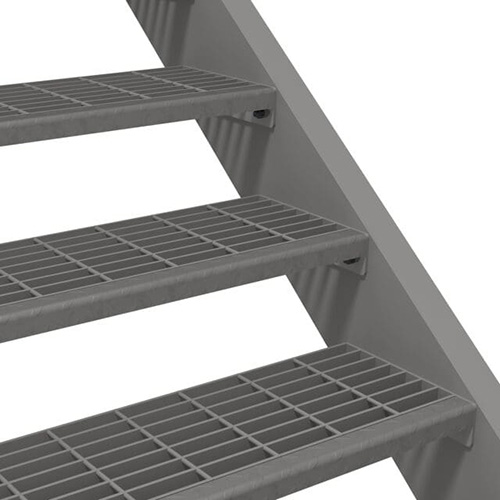
The decision to invest in fire exit stairs extends beyond simple compliance. Proper fire exit stairs installations enhance facility safety, reduce liability exposure, and demonstrate commitment to occupant protection. This guide explores how to evaluate fire exit stairs investments systematically, considering both immediate costs and long-term value. By the end, you will understand how to compare fire exit stairs options and justify your investment decisions to stakeholders.
Understanding Fire Exit Stairs Investment Value
Regulatory Compliance and Risk Mitigation
Fire exit stairs must comply with building codes and fire safety regulations that vary by jurisdiction and facility type. Investing in proper fire exit stairs eliminates compliance violations, which can result in fines, facility shutdowns, or legal liability. When fire exit stairs meet or exceed code requirements, your organization protects employees and visitors while reducing insurance risk. Non-compliant fire exit stairs create significant exposure; a single incident can result in substantial legal and financial consequences that far exceed the initial installation cost.
Insurance providers often offer premium reductions for facilities with certified fire exit stairs that exceed minimum standards. Organizations that prioritize fire exit stairs quality report improved insurance rates and easier policy renewals. This reduced insurance burden directly offsets fire exit stairs investment over time, making compliance-first fire exit stairs a financially sound decision.
Occupant Safety and Liability Protection
Fire exit stairs serve as the primary evacuation route during emergencies. High-quality fire exit stairs reduce evacuation delays and accidents, directly protecting human life. From a business perspective, well-maintained fire exit stairs minimize injury claims and wrongful death litigation. Organizations with demonstrably superior fire exit stairs systems have stronger legal defenses in safety-related disputes, reducing settlement amounts and legal fees.
Poor fire exit stairs conditions lead to accidents during evacuations, resulting in injuries even when no fire occurs. Slippery surfaces, inadequate handrails, or narrow treads on fire exit stairs increase incident probability. The cost of a single workplace injury claim typically exceeds initial fire exit stairs investment by several multiples, making preventive investment highly rational from a financial standpoint.
Core Cost Components for Fire Exit Stairs Projects
Material and Installation Expenses
Fire exit stairs material costs depend on construction type, load capacity, and environmental conditions. Steel fire exit stairs typically cost between $400 and $800 per linear foot, including fabrication. Aluminum fire exit stairs range from $300 to $600 per linear foot. Concrete-based fire exit stairs represent the highest initial investment but offer maximum durability. Installation labor for fire exit stairs adds 30% to 50% to material costs, depending on site complexity and existing structural conditions.
Site-specific challenges affect fire exit stairs pricing significantly. Facilities requiring custom heights, unusual angles, or special anchoring solutions see higher fire exit stairs costs. Building modifications to support fire exit stairs installation may be necessary, adding contingency expenses. Obtaining permits and conducting inspections add 10% to 15% to total fire exit stairs project budgets.
Maintenance and Lifecycle Costs
Fire exit stairs require ongoing maintenance to preserve safety and functionality. Annual inspections, cleaning, and minor repairs for fire exit stairs typically cost $500 to $2,000 per staircase, depending on environmental exposure. Coastal or corrosive environments demand more frequent fire exit stairs maintenance, driving costs higher. Steel fire exit stairs may require repainting or coating replacement every 5 to 10 years at significant expense.
Galvanized or fire exit stairs with corrosion-resistant finishes reduce long-term maintenance burden substantially. Although initial costs for premium fire exit stairs materials are higher, total cost of ownership over 20 to 30 years often favors durable options. Planning maintenance budgets for fire exit stairs ensures consistent performance without emergency repairs that disrupt operations.
ROI Analysis and Budget Justification
Calculating Return on Safety Investment
Return on investment for fire exit stairs projects combines direct financial benefits and indirect risk mitigation value. Direct benefits include reduced insurance premiums, avoided compliance fines, and decreased injury-related expenses. Quantifying these benefits requires analyzing your organization's historical incident rates, insurance policies, and regulatory history. Fire exit stairs that exceed minimum standards often qualify for insurance discounts of 5% to 15%, which accumulate substantially over facility lifetime.
Indirect benefits of fire exit stairs investment include business continuity, employee confidence, and reputation protection. Facilities with superior fire exit stairs systems experience fewer evacuation delays, reduced operational disruption, and faster recovery after incidents. Employee retention improves when workers trust facility safety systems, reducing recruitment and training costs. Brand reputation benefits when organizations demonstrate commitment to safety through investments in fire exit stairs infrastructure.
Budgeting Strategies and Phased Implementation
Multi-phase fire exit stairs projects distribute costs across fiscal years, improving budget flexibility. Prioritizing fire exit stairs replacements based on age, condition, and compliance gaps focuses investment on highest-risk areas first. Organizations can pursue fire exit stairs upgrades during planned maintenance windows, reducing disruption and labor costs. Combining fire exit stairs projects with facility renovations leverages existing contractors and permits, reducing total fire exit stairs expenses.
Securing budget approval for fire exit stairs projects requires clearly communicating compliance obligations, liability risks, and financial benefits. Quantifying the cost of non-compliance compared to fire exit stairs investment typically justifies spending. Presenting comparable incident cases and regulatory violations demonstrates real-world consequences of inadequate fire exit stairs infrastructure. Decision-makers respond positively to fire exit stairs proposals that combine safety, compliance, and financial analysis in comprehensive business cases.
FAQ
What factors most significantly affect fire exit stairs pricing?
Fire exit stairs costs depend primarily on material type, total footage, site conditions, and local labor rates. Structural modifications, environmental exposure, and custom design requirements increase fire exit stairs expenses substantially. Facilities in corrosive environments or with complex architectural constraints face higher fire exit stairs costs due to specialized materials and engineering. Getting detailed quotes from multiple suppliers helps organizations understand fire exit stairs pricing variations and make informed decisions.
How often should fire exit stairs be inspected and maintained?
Fire exit stairs require annual safety inspections minimum, with more frequent checks in high-traffic facilities or harsh environments. Monthly visual inspections supplement formal annual fire exit stairs reviews, identifying surface damage or hazard accumulation. Environmental factors drive maintenance frequency; coastal fire exit stairs need quarterly inspections due to corrosion risk. Regular maintenance of fire exit stairs prevents emergency repairs and ensures consistent safety performance throughout facility lifetime.
Can fire exit stairs upgrades provide immediate cost savings?
Fire exit stairs investments deliver immediate benefits through reduced insurance premiums and compliance penalty avoidance. Some facilities receive insurance rate reductions up to 15% when installing certified fire exit stairs systems. Avoiding regulatory fines, which can reach thousands of dollars, provides rapid financial recovery for fire exit stairs investment. When combined with reduced maintenance costs from durable fire exit stairs materials, total savings often offset initial project expenses within 5 to 10 years, providing positive long-term ROI.