EN
EN



Outdoor Stair Treads: Preventing Common Hazards
Outdoor stair treads are essential safety components that protect pedestrians from slip and fall hazards on exterior staircases. Whether installed on residential decks, commercial properties, or industrial facilities, outdoor stair treads significantly reduce accident risk by providing reliable traction and stability. Falls on outdoor stairs represent a major source of injury claims, and the right tread solution can minimize this exposure while extending the lifespan of your staircase structure.
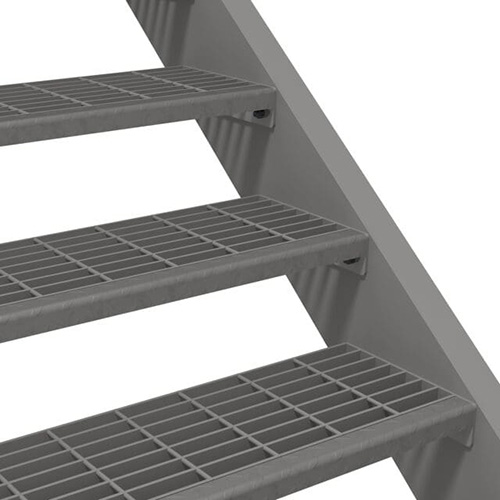
Understanding how outdoor stair treads function and which features matter most is critical for making informed decisions about your property's safety infrastructure. Environmental factors like rain, snow, algae, and temperature fluctuations create unique challenges that indoor stairs do not face. Selecting the right outdoor stair treads requires knowledge of materials, slip ratings, installation methods, and long-term durability to ensure consistent protection across seasons and years.
Material Selection and Slip Resistance for Outdoor Stair Treads
Understanding Slip Resistance Standards
Slip resistance in outdoor stair treads is measured by the coefficient of friction (COF), which indicates how much grip the surface provides when wet or dry. Industry standards such as the American Society for Testing and Materials (ASTM) provide guidelines for acceptable slip resistance values. Outdoor stair treads with a dynamic COF of at least 0.50 are generally considered safe for exterior applications, though many premium options exceed this threshold. When evaluating outdoor stair treads for your property, always verify the slip ratings under both wet and dry conditions, as wet performance is typically lower and represents the greatest hazard.
Material Durability in Weather Conditions
Outdoor stair treads face continuous exposure to UV rays, moisture, freeze-thaw cycles, and temperature swings that can degrade materials rapidly. Rubber-based outdoor stair treads resist UV degradation better than many alternatives and maintain flexibility in cold temperatures, preventing brittleness and cracking. Aluminum outdoor stair treads with textured surfaces provide excellent corrosion resistance and longevity in harsh coastal or industrial environments. Fiberglass-reinforced outdoor stair treads combine lightweight installation with exceptional durability, resisting both chemical damage and temperature extremes. The choice between these materials depends on your climate zone, traffic volume, and maintenance capacity. Outdoor stair treads made from recycled rubber compounds offer both environmental benefits and proven long-term performance in demanding outdoor settings.
Installation Best Practices and Structural Hazard Prevention
Proper Fastening and Anchoring Techniques
Inadequate fastening represents a critical hazard that outdoor stair treads must address through secure mechanical attachment or adhesive systems. Outdoor stair treads installed with stainless steel fasteners resist corrosion and maintain grip strength over years of use, while regular fastening hardware may loosen due to thermal expansion and contraction. Many property managers recommend using a combination of fasteners and specialized adhesives to prevent outdoor stair treads from shifting under heavy foot traffic or freeze-thaw stress. Before installation, ensure the underlying stair structure is clean, dry, and free from algae or mold that could compromise adhesive performance. Outdoor stair treads should be aligned precisely to prevent tripping hazards caused by uneven edges or gaps between steps.
Edge Protection and Nosing Configuration
The nosing edge of outdoor stair treads is where many slip and fall incidents originate, making this feature critical for hazard prevention. High-visibility nosings on outdoor stair treads help pedestrians identify step edges, particularly in low-light conditions or when visibility is reduced by rain or snow. Beveled or rounded edges on outdoor stair treads reduce trip hazards compared to sharp corners, especially for elderly users or those with mobility challenges. Anti-slip tape or coatings applied to the nosing section of outdoor stair treads provide additional friction in the most hazardous zone. Outdoor stair treads with tactile warning surfaces assist visually impaired pedestrians in identifying step locations safely.
Maintenance and Seasonal Hazard Management
Regular Cleaning and Debris Removal
Outdoor stair treads accumulate leaves, dirt, and organic matter that reduce slip resistance and create hidden hazards beneath surface coatings. Monthly cleaning of outdoor stair treads with a pressure washer at moderate settings removes contaminants without damaging the tread surface or fasteners. In fall and winter, outdoor stair treads require more frequent attention to prevent slippery conditions caused by wet leaves or ice buildup. Biannual deep cleaning of outdoor stair treads eliminates algae and mold growth that thrives in shaded, damp areas. Outdoor stair treads benefit from periodic reapplication of anti-slip treatments or coatings to maintain friction levels after extended exposure to weathering.
Seasonal Inspections and Preventive Maintenance
Spring and fall inspections of outdoor stair treads identify fastener corrosion, surface cracking, or adhesive separation before hazardous failures occur. Outdoor stair treads exposed to freeze-thaw cycles should be inspected for signs of material expansion that could compress or crack the underlying stairs. Winter maintenance of outdoor stair treads includes prompt removal of snow and ice to restore traction and prevent the weight of accumulated ice from damaging the tread structure. Post-winter inspections of outdoor stair treads check for damage caused by de-icing salts or chemical treatments that may have weakened materials. outdoor stair treads should be replaced immediately if they show signs of permanent deformation, visible cracking, or separation from the underlying stairs.
FAQ
What is the difference between indoor and outdoor stair treads?
Outdoor stair treads differ from indoor treads in material composition, slip resistance requirements, and weathering durability. Outdoor stair treads must withstand UV exposure, moisture infiltration, freeze-thaw cycles, and temperature extremes that indoor stairs do not encounter. Outdoor stair treads are typically made from rubber, aluminum, or fiberglass compounds that resist degradation, whereas indoor treads can use less robust materials. The slip resistance standards for outdoor stair treads are often higher due to wet condition exposure, and outdoor stair treads require more frequent maintenance to prevent algae and mold accumulation.
How often should outdoor stair treads be replaced?
The lifespan of outdoor stair treads typically ranges from five to fifteen years depending on material quality, climate severity, and maintenance frequency. Outdoor stair treads in harsh coastal or industrial environments may require replacement every five to seven years due to accelerated degradation from salt spray or chemical exposure. High-quality rubber or aluminum outdoor stair treads in moderate climates can last ten to fifteen years with consistent maintenance. Outdoor stair treads should be inspected annually for signs of wear, and replacement is necessary immediately if slip resistance deteriorates noticeably or fasteners become unreliable. Regular cleaning and protective coatings extend the effective lifespan of outdoor stair treads significantly.
Can outdoor stair treads be installed on existing stairs?
Yes, outdoor stair treads can typically be retrofitted onto existing stairs using mechanical fasteners or specialized adhesive systems designed for outdoor applications. Before installing outdoor stair treads on existing stairs, the surface must be thoroughly cleaned and inspected for structural integrity and proper drainage. Outdoor stair treads can be cut to fit custom stair dimensions, though this work should be performed by experienced installers to maintain slip resistance properties. Some existing stair materials such as worn concrete or spalling stone may require surface preparation or repair before outdoor stair treads can be securely installed. Professional installation of outdoor stair treads ensures proper alignment and fastening that prevents hazards from shifting or separating under weather stress or heavy traffic.