EN
EN



Metal Outdoor Railings: Strengthening Security
Security and safety are paramount concerns for any property owner, whether residential or commercial. A metal outdoor railing for stairs serves as both a protective barrier and a visual deterrent against unauthorized access, making it an essential component of modern property design. Beyond aesthetics, a well-designed metal outdoor railing for stairs prevents accidental falls, guides foot traffic safely, and demonstrates a commitment to occupant welfare. Property managers and homeowners increasingly recognize that investing in a quality metal outdoor railing for stairs directly impacts liability reduction, compliance with building codes, and long-term property value. This comprehensive guide explores how metal outdoor railing for stairs strengthens security while meeting functional and regulatory requirements.
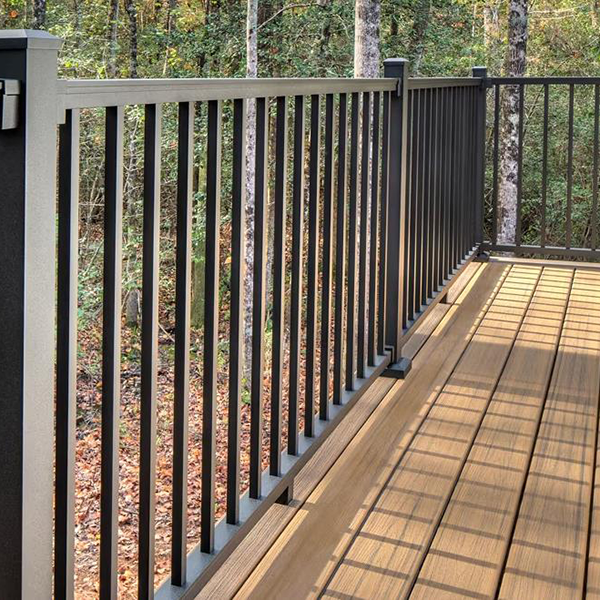
The effectiveness of a metal outdoor railing for stairs depends on material selection, installation precision, and adherence to structural standards. Steel, aluminum, and stainless steel each offer distinct advantages in terms of strength, corrosion resistance, and maintenance requirements. When properly installed, a metal outdoor railing for stairs creates a reliable physical barrier that integrates seamlessly into your property's security infrastructure while maintaining visual continuity with surrounding architectural elements.
Understanding Security Benefits of Metal Outdoor Railing for Stairs
Physical Barrier and Perimeter Control
A metal outdoor railing for stairs establishes a defined boundary that clearly marks accessible and restricted areas. This physical demarcation reduces confusion about traffic flow patterns and prevents individuals from attempting unauthorized shortcuts or entry points. The structural integrity of a metal outdoor railing for stairs—typically designed to withstand lateral forces of 200 pounds or more—ensures that accidental contact does not compromise the barrier. Commercial properties benefit significantly from this feature, as a metal outdoor railing for stairs signals professional security management and organizational control. Industrial facilities use metal outdoor railing for stairs to segregate hazardous zones and restrict access to elevated surfaces where equipment malfunction or unauthorized presence could create liability exposure.
Visible Deterrent and Access Control
The presence of a properly installed metal outdoor railing for stairs communicates that a property is actively managed and security-conscious. Potential intruders or trespassers recognize that a metal outdoor railing for stairs represents intentional security infrastructure, making the property a less attractive target than unsecured alternatives. Residential properties with a metal outdoor railing for stairs experience fewer unauthorized entries through secondary exits or elevated access points. The visibility of a metal outdoor railing for stairs also reinforces community safety standards, as neighbors observe that security measures are being taken seriously. For rental properties and multi-family residences, a metal outdoor railing for stairs demonstrates management commitment to tenant safety, often reducing insurance premiums and increasing tenant confidence.
Material Strength and Durability Standards
Steel Construction and Load-Bearing Capacity
Steel remains the most widely specified material for a metal outdoor railing for stairs due to its exceptional strength-to-weight ratio and consistent performance in demanding environments. A metal outdoor railing for stairs constructed from structural steel withstands extreme weather conditions, temperature fluctuations, and heavy usage patterns without degradation. Building codes typically require a metal outdoor railing for stairs to support a minimum horizontal load of 200 pounds per linear foot, ensuring that the barrier remains stable even under deliberate or accidental pressure. The rigidity of steel in a metal outdoor railing for stairs prevents excessive deflection or movement, which could undermine the barrier's protective function or create safety hazards for users. Commercial and industrial applications almost universally specify steel for metal outdoor railing for stairs projects because the material's durability extends the barrier's operational life to 20 years or beyond with minimal maintenance.
Corrosion Resistance and Weather Performance
Coastal environments and regions with high humidity levels demand corrosion-resistant materials for a metal outdoor railing for stairs to maintain long-term security integrity. Stainless steel variants of a metal outdoor railing for stairs offer superior resistance to salt spray and oxidation, though at higher initial cost. Galvanized coatings protect steel-based metal outdoor railing for stairs by creating a zinc barrier that sacrifices itself before underlying steel becomes exposed. Powder-coat finishes add an additional protective layer to a metal outdoor railing for stairs, enhancing both durability and aesthetic appeal while maintaining the barrier's security function. Property owners in corrosive environments should prioritize stainless steel or hot-dip galvanized options when specifying a metal outdoor railing for stairs to avoid premature deterioration that compromises barrier effectiveness.
Installation and Compliance Considerations
Building Code Requirements and Legal Standards
Every jurisdiction enforces specific building codes governing the design and installation of a metal outdoor railing for stairs, typically requiring certified professionals to oversee the work. A metal outdoor railing for stairs must meet International Building Code (IBC) standards, which specify minimum heights—usually 36 to 42 inches depending on application—and baluster spacing that prevents passage of a 4-inch sphere. Non-compliant installation of a metal outdoor railing for stairs exposes property owners to significant liability if accidents occur or local inspectors identify violations. A metal outdoor railing for stairs must be inspected before occupancy approval, and inspectors verify proper fastening, material specifications, and structural connections. Commercial properties face particular scrutiny regarding metal outdoor railing for stairs compliance, as OSHA regulations add additional safety requirements for industrial environments.
Professional Installation and Maintenance
Proper installation of a metal outdoor railing for stairs requires specialized tools, structural knowledge, and familiarity with local codes that ensure the barrier functions as intended. Certified installers understand how to calculate load paths, secure attachment points, and account for thermal expansion when installing a metal outdoor railing for stairs. Regular inspection of a metal outdoor railing for stairs—at least annually—identifies loose fasteners, corrosion spots, or physical damage requiring remediation. Metal outdoor railing for stairs systems benefit from preventive maintenance protocols that include cleaning, recoating fasteners, and addressing minor damage before it becomes structural. Property managers should document maintenance records for a metal outdoor railing for stairs to demonstrate due diligence and compliance with applicable safety standards.
Practical Application Scenarios and Security Impact
Residential Property Applications
Homeowners install a metal outdoor railing for stairs on decks, patios, and exterior staircases to prevent falls and establish property boundaries. A metal outdoor railing for stairs around elevated decks protects children and pets from accidental falls while signaling that the outdoor space is part of the protected property. Multi-story residential buildings require a metal outdoor railing for stairs on emergency stairs and balconies to meet fire code requirements and provide safe evacuation routes. The aesthetic qualities of a metal outdoor railing for stairs—available in modern, traditional, and minimalist designs—make security upgrades compatible with residential architecture.
Commercial and Industrial Security
Retail properties use a metal outdoor railing for stairs to control customer flow and prevent unauthorized access to restricted zones like storage areas or equipment rooms. Warehouses and manufacturing facilities specify heavy-duty metal outdoor railing for stairs configurations that withstand fork-lift impacts, vibration from machinery, and constant contact from workers. Data centers and utility infrastructure installations require a metal outdoor railing for stairs that prevents unauthorized personnel from accessing critical equipment while maintaining emergency egress compliance. Office buildings incorporate a metal outdoor railing for stairs into security perimeters around mechanical equipment on rooftops, reducing vandalism and theft while maintaining OSHA compliance.
FAQ
What load capacity should a metal outdoor railing for stairs support?
Building codes require a metal outdoor railing for stairs to withstand a minimum horizontal load of 200 pounds per linear foot, with some applications demanding higher capacity. Commercial buildings often specify metal outdoor railing for stairs rated for 300 pounds per linear foot to accommodate heavier usage and liability protection. A certified engineer should calculate the specific load requirements for your metal outdoor railing for stairs based on the application, building code jurisdiction, and expected user demographics.
How often should a metal outdoor railing for stairs be inspected?
Annual inspection is the minimum recommended frequency for a metal outdoor railing for stairs, with coastal properties or high-traffic installations benefiting from semi-annual reviews. Inspectors should verify fastener tightness, corrosion progression, and structural integrity of a metal outdoor railing for stairs before damage becomes safety-threatening. After severe weather events, immediate visual inspection of a metal outdoor railing for stairs helps identify storm damage requiring emergency repair.
Can aluminum be used instead of steel for a metal outdoor railing for stairs?
Aluminum offers excellent corrosion resistance and lower maintenance requirements for a metal outdoor railing for stairs in residential applications, though it typically cannot match steel's load-bearing capacity pound-for-pound. A metal outdoor railing for stairs made from aluminum works well in coastal environments where rust prevention is critical, but engineers must account for aluminum's lower stiffness when designing the barrier. Commercial and industrial applications almost always require steel or stainless steel for a metal outdoor railing for stairs due to strength and durability requirements.