EN
EN



Optimizing Galvanised Mesh Use: Efficiency Strategies
Galvanised walkway mesh serves as a critical infrastructure component in industrial and commercial facilities worldwide. The efficiency of galvanised walkway mesh installations directly impacts operational safety, maintenance budgets, and asset longevity. Organizations that optimize their galvanised walkway mesh deployment experience measurable reductions in downtime, lower replacement costs, and improved worker safety outcomes. Understanding how to maximize galvanised walkway mesh performance requires a systematic approach to selection, installation, and ongoing maintenance.
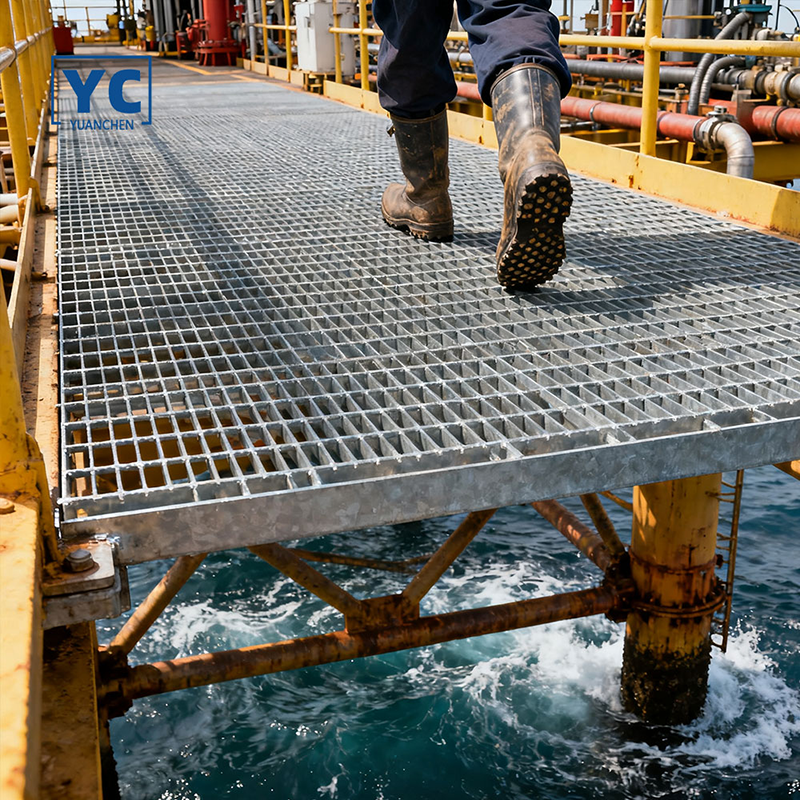
The process of optimizing galvanised walkway mesh begins with a clear understanding of your facility's specific requirements, environmental conditions, and traffic patterns. Industrial environments present unique challenges that demand galvanised walkway mesh solutions tailored to withstand corrosion, mechanical stress, and operational demands. By implementing strategic efficiency measures, facility managers can transform their galvanised walkway mesh installations into high-performing assets that deliver consistent value over their entire lifespan.
Strategic Selection Criteria for Galvanised Walkway Mesh
Assessing Environmental Conditions
Environmental factors significantly influence how galvanised walkway mesh performs in your specific setting. Facilities exposed to chemical splash, moisture, salt air, or temperature fluctuations require galvanised walkway mesh with enhanced protective characteristics. The galvanization thickness and quality of the underlying steel directly affect how long your galvanised walkway mesh will resist corrosion without sacrificing performance. Conducting a thorough environmental audit ensures that your selected galvanised walkway mesh matches the actual conditions it will face daily.
Load Capacity and Traffic Patterns
Understanding traffic intensity helps determine whether standard or heavy-duty galvanised walkway mesh better serves your operations. High-traffic zones demand galvanised walkway mesh designed with increased bearing capacity and durability features. The selection process for galvanised walkway mesh should account for peak loads, equipment weight, and frequency of pedestrian or vehicle passage. Installing undersized galvanised walkway mesh leads to accelerated wear, whereas oversizing increases unnecessary capital expenditure. Matching galvanised walkway mesh specifications to actual operational demands creates the foundation for long-term efficiency.
Installation Best Practices for Maximum Performance
Proper Foundation and Support Systems
The structural foundation supporting your galvanised walkway mesh installation determines whether efficiency gains are realized or compromised. Galvanised walkway mesh must be mounted on properly designed support frames that distribute loads evenly and prevent deflection. Misaligned or inadequate supporting structures cause galvanised walkway mesh to degrade prematurely and create safety hazards. Expert installation of galvanised walkway mesh includes verifying that support spacing, fastening methods, and alignment meet engineering specifications. Investing in correct installation practices for galvanised walkway mesh eliminates costly rework and extends service life significantly.
Fastening and Sealing Techniques
How galvanised walkway mesh is secured to its support structure directly impacts both performance and maintenance requirements. Using corrosion-resistant fasteners and proper installation techniques ensures that your galvanised walkway mesh remains structurally sound through years of operation. Poor fastening practices allow moisture penetration, which accelerates corrosion even in premium galvanised walkway mesh products. Sealed connection points prevent debris accumulation and reduce the conditions that promote degradation. Galvanised walkway mesh installations that employ professional fastening protocols require substantially less maintenance and provide superior long-term value.
Maintenance and Operational Efficiency Strategies
Routine Cleaning and Inspection Protocols
Regular cleaning significantly extends the life of galvanised walkway mesh by removing accumulated debris and contaminants that promote corrosion. A consistent inspection schedule for galvanised walkway mesh allows facility managers to identify wear patterns and address issues before they escalate. Dirt, salt residue, and industrial contaminants deposited on galvanised walkway mesh should be removed using appropriate cleaning methods that preserve the galvanized coating. Inspections should focus on fastener condition, surface damage, and structural integrity of the galvanised walkway mesh substrate. Facilities that implement preventive cleaning programs for their galvanised walkway mesh report dramatic reductions in emergency repairs and replacement cycles.
Addressing Corrosion and Surface Degradation
Even premium galvanised walkway mesh requires vigilance against corrosion in demanding industrial environments. Early detection of corrosion on galvanised walkway mesh allows for targeted interventions that prevent widespread degradation. Minor surface damage to the galvanized coating can be addressed through touch-up applications, preserving the protection that galvanised walkway mesh provides. Advanced monitoring of galvanised walkway mesh using visual inspection and non-destructive testing identifies failure risk before safety is compromised. Strategic maintenance of galvanised walkway mesh prevents catastrophic failures and maintains peak operational efficiency throughout its service life.
Lifecycle Cost Optimization
Evaluating the total cost of ownership for galvanised walkway mesh requires analyzing purchase price, installation, maintenance, and replacement timelines. Facilities that select appropriate specifications for their galvanised walkway mesh initially spend less on corrective maintenance over time. The efficiency gained through proper specification and maintenance of galvanised walkway mesh generates substantial return on investment. Premium galvanised walkway mesh products often deliver superior lifecycle economics compared to lower-cost alternatives that require frequent replacement. Strategic investment in quality galvanised walkway mesh systems and proper maintenance practices maximizes operational efficiency and financial performance.
FAQ
What is the typical lifespan of galvanised walkway mesh?
The lifespan of galvanised walkway mesh typically ranges from fifteen to twenty-five years, depending on environmental conditions, maintenance practices, and installation quality. In highly corrosive environments, galvanised walkway mesh may require replacement sooner, while protected installations can exceed thirty years. Consistent maintenance and proper specification of galvanised walkway mesh significantly extend its functional life and optimize total cost of ownership.
How frequently should galvanised walkway mesh be inspected?
Galvanised walkway mesh should be inspected quarterly in normal operating conditions and monthly in highly corrosive or high-traffic environments. Visual inspections of galvanised walkway mesh should focus on rust formation, fastener deterioration, and structural deformation. Regular inspection protocols for galvanised walkway mesh help identify maintenance needs early and prevent unexpected failures that disrupt operations.
Can galvanised walkway mesh be repaired or must it be replaced?
Minor damage to galvanised walkway mesh can often be repaired through localized treatment or fastener replacement, avoiding full system replacement. Severe structural damage or extensive corrosion in galvanised walkway mesh typically requires replacement to maintain safety standards. Assessing the extent of damage to galvanised walkway mesh determines whether repair or replacement represents the most cost-effective solution for your facility.