EN
EN



Implementing Galvanised Walkway Mesh: Step-by-Step
Installing galvanised walkway mesh requires careful planning, precision measurement, and adherence to safety standards. Whether you're upgrading an industrial platform, constructing a new work area, or retrofitting an existing facility, understanding the implementation process for galvanised walkway mesh ensures durability, safety, and compliance. This comprehensive guide walks you through every stage of the installation process, from initial site assessment to final inspection and validation.
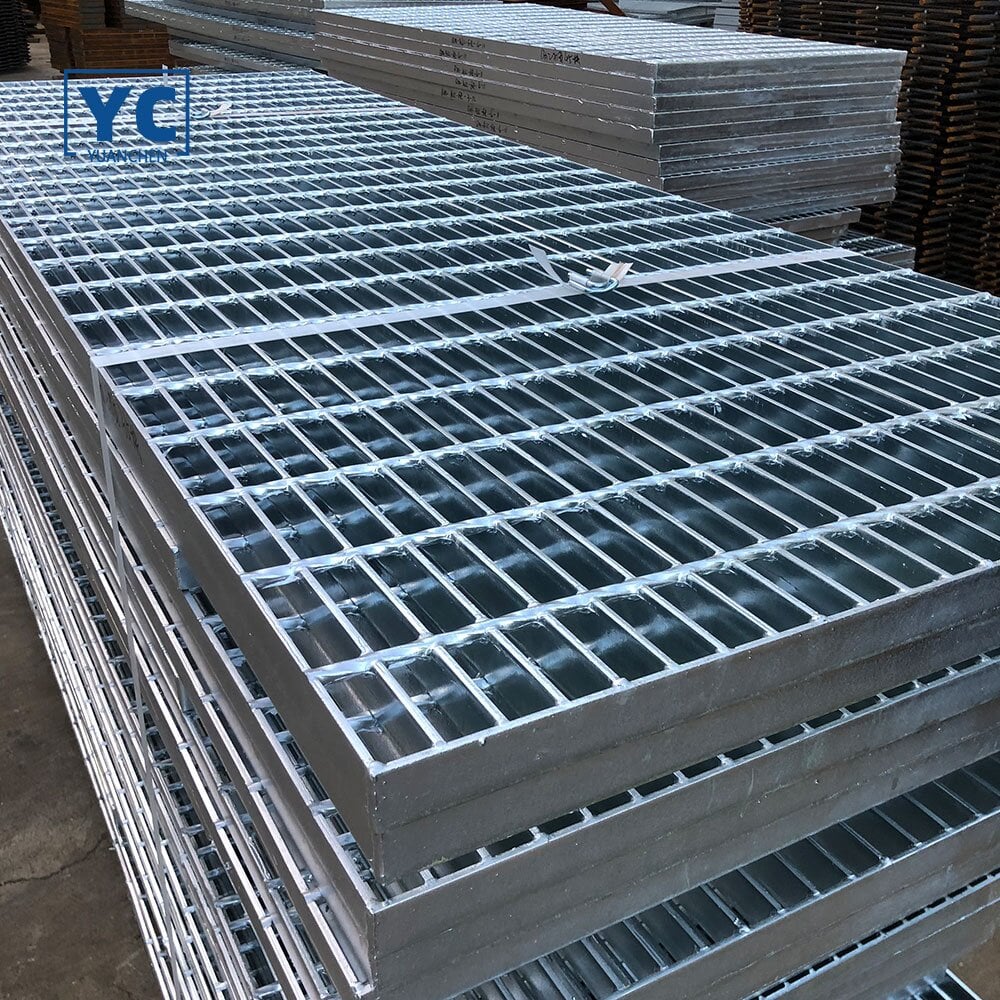
The success of your galvanised walkway mesh installation depends on thorough preparation, correct specification matching, and proper execution. Industrial environments demand solutions that protect workers while maintaining operational efficiency, and galvanised walkway mesh delivers both performance and longevity. Understanding the step-by-step implementation process helps project managers, safety officers, and contractors execute installations that meet regulatory requirements and provide lasting value.
Planning and Site Assessment for Galvanised Walkway Mesh Installation
Evaluating Your Installation Environment
Before ordering or installing galvanised walkway mesh, conduct a comprehensive site assessment to determine exact requirements and potential challenges. Measure the complete area where galvanised walkway mesh will be installed, including length, width, and any irregular dimensions or obstacles. Document the existing surface conditions, load-bearing capacity, drainage requirements, and environmental exposure factors such as moisture, chemicals, or temperature extremes that will affect galvanised walkway mesh performance.
Identify all stakeholders who must review the installation plan, including safety managers, maintenance personnel, and regulatory compliance officers. Determine whether galvanised walkway mesh installation requires temporary work stoppages or phased implementation to maintain operational continuity. Understanding traffic patterns, peak usage periods, and maintenance accessibility ensures that your galvanised walkway mesh solution integrates seamlessly into existing workflows without disrupting productivity.
Specification Development and Material Selection
Selecting the correct specification for galvanised walkway mesh involves matching load requirements, safety standards, and environmental conditions. Calculate the maximum load per unit area that galvanised walkway mesh will experience, including concentrated loads from equipment and distributed loads from personnel and materials. Cross-reference these load calculations against manufacturer load ratings to ensure galvanised walkway mesh exceeds minimum safety factors required by your industry's regulatory framework.
Choose galvanised walkway mesh specifications that balance corrosion resistance with structural performance. The galvanizing process protects the underlying steel, making galvanised walkway mesh ideal for wet environments, coastal facilities, or areas exposed to corrosive chemicals. Verify that your selected galvanised walkway mesh meets relevant safety standards including ISO, ASTM, or EN specifications depending on your geographic location and industry sector.
Pre-Installation Preparation and Surface Requirements
Structural Foundation and Support Systems
The structural foundation determines the longevity and safety performance of installed galvanised walkway mesh. Inspect support structures, beams, and anchor points to confirm they meet designed load capacities and structural integrity requirements. Prepare all mounting surfaces where galvanised walkway mesh will be attached, removing debris, rust, loose paint, and contaminants that could compromise fastener engagement or galvanised walkway mesh stability.
Verify that galvanised walkway mesh mounting hardware has been selected to prevent galvanic corrosion, using stainless steel fasteners whenever possible or ensuring compatible material specifications. Install shims or leveling plates to ensure galvanised walkway mesh sits completely level, preventing water pooling, uneven wear patterns, or destabilized structural connections. Check support spacing against galvanised walkway mesh specifications to confirm bearing points align with structural recommendations and load distribution is optimized.
Environmental and Safety Preparation
Prepare the work environment to ensure safe installation of galvanised walkway mesh and protection of personnel and adjacent operations. Establish work zones, place safety barriers, and communicate installation schedules to all facility users. Conduct a hazard assessment specific to galvanised walkway mesh installation, identifying fall risks, sharp edge hazards, heavy load handling, and potential electrical considerations in your specific facility context.
Ensure that personnel installing galvanised walkway mesh have received appropriate safety training, including working-at-height certification if required, proper use of personal protective equipment, and correct installation technique. Arrange for proper tools, equipment, and support resources before galvanised walkway mesh installation begins, preventing project delays and ensuring work quality. Confirm that all safety signage is in place and that emergency procedures are communicated to all personnel who will be in proximity to galvanised walkway mesh installation activities.
Installation Execution and Quality Verification
Strategic Installation Sequencing
Execute galvanised walkway mesh installation following a carefully sequenced plan that maintains structural stability and worker safety throughout the process. Begin installation at structural anchor points, working systematically across the complete installation area to ensure galvanised walkway mesh remains properly supported at all stages. Install galvanised walkway mesh sections in the correct orientation, confirming that drainage patterns function as designed and that surface finish properties align with environmental requirements.
Secure galvanised walkway mesh fasteners in a pattern that distributes loads evenly and prevents stress concentration at single attachment points. Tighten fasteners progressively rather than completing individual galvanised walkway mesh sections sequentially, allowing the overall structure to settle and adjust naturally. Inspect galvanised walkway mesh connections at regular intervals during installation, confirming that fasteners remain tight and that structural alignment matches design specifications throughout the installation process.
Final Inspection and Validation
Upon completion of galvanised walkway mesh installation, conduct a thorough inspection confirming that all components meet design specifications and safety standards. Walk the complete galvanised walkway mesh surface systematically, checking for loose fasteners, misalignments, surface defects, or areas where galvanised walkway mesh does not sit flush with support structures. Verify that galvanised walkway mesh drainage openings remain clear and functional, and that the surface finish shows no signs of damage or deterioration from the installation process.
Test galvanised walkway mesh stability and load-bearing capacity using acceptance protocols relevant to your industry and facility specifications. Document the installation with photographs, measurements, and certification records that confirm galvanised walkway mesh has been installed according to design drawings and safety standards. Provide operators and maintenance personnel with documentation explaining the galvanised walkway mesh system specifications, load capacity, maintenance procedures, and inspection intervals required to maintain optimal performance.
FAQ
What safety precautions should be taken when installing galvanised walkway mesh?
When installing galvanised walkway mesh, use fall protection equipment if working at height, wear cut-resistant gloves to prevent injury from sharp mesh edges, and ensure proper training for all personnel. Secure galvanised walkway mesh sections temporarily to prevent movement or shifting during installation, and use appropriate tools to avoid damaging the galvanised surface or steel substrate. Maintain clear communication between installation team members and follow lockout-tagout procedures if the installation area requires equipment shutdown.
How long does galvanised walkway mesh typically last in industrial environments?
Galvanised walkway mesh typically provides 15 to 25 years of service life in most industrial environments, depending on exposure intensity, maintenance practices, and environmental conditions. The galvanizing process provides a protective barrier against corrosion that extends metal lifespan significantly compared to bare steel alternatives. Regular inspection and cleaning of galvanised walkway mesh removes contaminants that could accelerate degradation, and addressing any damage or fastener corrosion promptly maintains the long-term performance and safety of your installation.
What maintenance procedures should be performed after galvanised walkway mesh installation?
After galvanised walkway mesh installation is complete, inspect the surface monthly for debris accumulation, standing water, or signs of damage or corrosion. Clean galvanised walkway mesh quarterly or more frequently in harsh environments by sweeping away loose material and rinsing with water as appropriate for your facility. Check all fasteners and attachment points semi-annually, tightening any that have loosened from vibration or thermal cycling, and replace any fasteners showing signs of corrosion or damage to maintain structural integrity of your galvanised walkway mesh system.