EN
EN



Maximize Durability: Outdoor Stair Treads Care
Outdoor stair treads face constant exposure to harsh weather, heavy foot traffic, and environmental stress that can significantly compromise their structural integrity and appearance. Maximizing the durability of outdoor stair treads requires a proactive maintenance approach that combines preventive care, timely intervention, and an understanding of the specific challenges these surfaces encounter. Whether your outdoor stair treads are made from wood, metal, composite, or specialized materials, the investment you make in proper care directly extends their lifespan and maintains their safety performance for years to come.
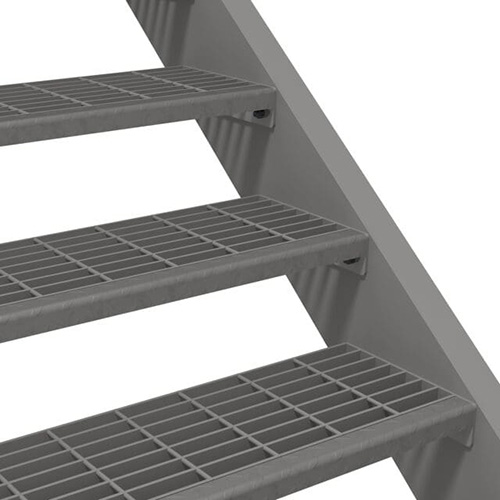
The durability of outdoor stair treads depends on multiple interconnected factors, including material selection, installation quality, environmental conditions, and ongoing maintenance practices. Understanding these elements allows property managers, facility operators, and homeowners to make informed decisions that protect their investment. This guide explores the essential strategies for preserving outdoor stair treads through systematic care routines, addressing common deterioration sources, and implementing solutions that enhance both performance and longevity.
Understanding Environmental Stress on Outdoor Stair Treads
Weather-Related Damage Mechanisms
Weather represents the primary adversary for outdoor stair treads, with freeze-thaw cycles, UV radiation, moisture infiltration, and temperature fluctuations all contributing to accelerated wear. When outdoor stair treads experience repeated expansion and contraction due to temperature changes, material fatigue develops that weakens structural bonds and creates micro-fractures. Rain, snow, and ice accumulation on outdoor stair treads creates dangerous slip hazards while simultaneously forcing moisture into crevices and material pores, where it promotes rust formation in metal components and rot in organic materials.
UV exposure degrades the protective coatings and finishes on outdoor stair treads, leading to discoloration, brittleness, and reduced weather resistance. The combination of these weather factors means outdoor stair treads require protective treatments that actively counteract environmental damage rather than merely residing on the surface.
Traffic Volume and Surface Wear
Heavy foot traffic accelerates the natural wearing process of outdoor stair treads, with high-use areas experiencing accelerated tread surface erosion and edge degradation. Each step applies concentrated pressure that gradually flattens and smooths the protective texture designed to prevent slipping, particularly on the nosing areas of outdoor stair treads where contact is most concentrated. In commercial or multi-family residential settings, outdoor stair treads may experience thousands of daily foot impacts, making durability protection an essential operational concern rather than a cosmetic preference.
Preventive Maintenance Strategies for Outdoor Stair Treads
Protective Coating and Sealant Application
Applying protective coatings and sealants to outdoor stair treads creates a barrier that prevents moisture penetration, reduces UV damage, and maintains anti-slip properties over time. Quality sealants for outdoor stair treads should be specifically formulated for exterior use, offering water repellency, UV stability, and sufficient flexibility to accommodate material expansion and contraction. The coating process for outdoor stair treads requires proper surface preparation including cleaning, drying, and removal of old damaged finishes before new protection layers can be effectively applied.
Professional-grade sealants designed for outdoor stair treads typically require reapplication every two to three years, depending on climate intensity and foot traffic volume. Neglecting this periodic maintenance allows existing protective layers on outdoor stair treads to degrade, exposing underlying materials to accelerated environmental damage and reducing the safety features that prevent slipping.
Drainage and Moisture Management
Implementing effective drainage solutions around outdoor stair treads prevents water pooling and standing moisture that accelerates deterioration processes. Design consideration for outdoor stair treads should include slight slope angles that encourage water runoff and prevent moisture accumulation on horizontal surfaces. Ensuring that adjacent landscaping, gutters, and structural elements direct water away from outdoor stair treads reduces the moisture exposure that promotes corrosion, mold growth, and material degradation.
Maintaining clear drainage channels beneath and around outdoor stair treads prevents ice formation in winter months while allowing surface water to dry quickly after rain events. This moisture management becomes particularly critical in regions with heavy rainfall, humid climates, or freeze-thaw weather patterns that create especially challenging conditions for outdoor stair treads.
Active Maintenance Protocols for Extended Outdoor Stair Treads Lifespan
Regular Cleaning and Debris Removal
Consistent cleaning schedules for outdoor stair treads prevent buildup of dirt, leaves, moss, and algae that trap moisture against the surface and accelerate deterioration. Using appropriate cleaning methods for outdoor stair treads depends on the material composition, with pressure washing suitable for metal and composite outdoor stair treads but potentially damaging to certain wood or polymer materials. Regular debris removal from outdoor stair treads, particularly in autumn months when leaf accumulation is heaviest, prevents moisture trapping and maintains visibility of the tread surface for safety assessments.
Cleaning outdoor stair treads with gentle brushing and mild detergent solutions removes surface contaminants without damaging protective coatings. This preventive cleaning approach extends the interval between intensive restoration procedures for outdoor stair treads, reducing long-term maintenance costs and environmental impact.
Inspection and Early Damage Detection
Implementing scheduled inspection routines for outdoor stair treads allows facility managers to identify early signs of wear, coating degradation, structural damage, and safety hazards before they become severe problems. Monthly visual inspections of outdoor stair treads should specifically examine nosing edges, connection points, surface texture integrity, and any visible corrosion or discoloration patterns. Early detection of cracks, separation, or loose components in outdoor stair treads enables timely repairs that prevent progression to more costly structural failures.
Documentation of outdoor stair treads condition through photographic records and maintenance logs creates accountability and helps establish replacement timelines before safety becomes compromised. Professional engineering assessments of outdoor stair treads can measure structural integrity, material composition verification, and remaining service life, informing long-term capital planning and budgeting decisions.
Seasonal Preparation and Winter Protection
Winterization procedures for outdoor stair treads should include application of anti-slip treatments, ice melt-resistant coatings, and de-icing chemical compatibility verification to prevent accelerated damage during cold months. Ice accumulation on outdoor stair treads creates slip hazards while the repeated freezing and melting cycles cause material stress and coating breakdown. Using calcium chloride or magnesium chloride instead of rock salt for ice management protects outdoor stair treads from corrosion damage that sodium chloride causes to metal and composite components.
Pre-winter inspection of outdoor stair treads should verify that drainage systems function properly and that protective coatings remain intact. Spring inspections of outdoor stair treads following winter weather assess cumulative damage and allow prompt repairs before additional environmental stress accumulates through warmer months.
Material-Specific Durability Considerations
Metal Outdoor Stair Treads Protection
Metal outdoor stair treads require corrosion prevention strategies including protective paint systems, galvanizing coatings, or stainless steel selection depending on environmental exposure severity. Regular inspection of metal outdoor stair treads should monitor for rust initiation at welds, fastener points, and coating discontinuities where corrosion begins. Prompt treatment of rust spots on outdoor stair treads prevents surface degradation from spreading and compromising structural integrity of the metal framework.
Composite and Non-Metal Outdoor Stair Treads
Composite outdoor stair treads offer advantages in corrosion resistance but require UV-protective coatings and periodic sealant reapplication to prevent color fading and surface degradation. Material brittleness can develop in composite outdoor stair treads exposed to prolonged UV without protective treatment, potentially leading to cracking or splintering. Fungal and algae growth on composite outdoor stair treads develops more readily than on metal surfaces, making regular cleaning particularly important for maintaining both appearance and structural integrity.
FAQ
How Often Should You Seal Outdoor Stair Treads?
Most outdoor stair treads require sealing or protective coating reapplication every two to three years under normal conditions, though climate severity and foot traffic volume may necessitate more frequent applications. High-traffic commercial environments may need outdoor stair treads sealed annually, while protected residential installations in mild climates might extend intervals to every four years. Visible coating degradation, water beading loss, or increased maintenance requirements signal that outdoor stair treads need immediate resealing regardless of scheduled intervals.
What Is the Best Way to Remove Algae and Mold from Outdoor Stair Treads?
Gentle scrubbing with a soft-bristled brush and a solution of equal parts vinegar and water effectively removes algae and mold from most outdoor stair treads without damaging underlying materials or protective coatings. For stubborn growth on outdoor stair treads, commercial algaecide products formulated for exterior surfaces provide more aggressive cleaning while remaining safe for most material types. Pressure washing outdoor stair treads should only be used on metal or highly durable composites, as high-pressure water can damage wood and some polymer outdoor stair treads or strip away protective finishes.
Can You Repair Damaged Outdoor Stair Treads or Must They Be Replaced?
Minor surface damage, coating degradation, and non-structural cracks in outdoor stair treads can be repaired through localized treatments, refinishing, or patching procedures that restore functionality and appearance. However, structural damage including deep cracks, separation from supporting structure, corrosion affecting load-bearing capacity, or missing nosing components on outdoor stair treads typically requires replacement to maintain safety and code compliance. A professional assessment of outdoor stair treads determines repair feasibility versus replacement necessity based on damage severity, material type, and remaining service life projections.