EN
EN



Maximize Checker Plate Stairs Durability and Safety
When it comes to industrial and commercial walkway systems, checker plate stairs stand out as one of the most reliable and widely used solutions available today. Their distinctive raised pattern provides natural traction, making them a preferred choice in environments where slip resistance and structural strength are non-negotiable. Whether you are equipping a factory floor, a loading dock, or an outdoor access platform, checker plate stairs deliver the combination of durability and safety that demanding conditions require.
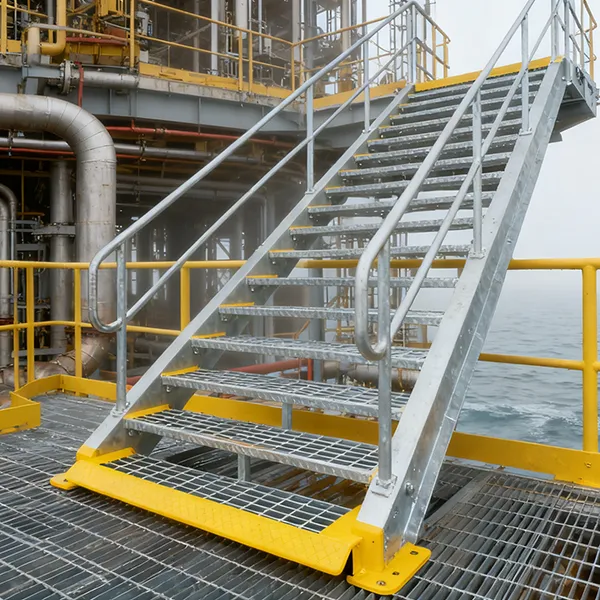
Maximizing the durability and safety of checker plate stairs is not simply a matter of purchasing the right product. It involves making informed decisions about material selection, surface treatment, installation quality, and ongoing maintenance. Each factor plays a direct role in determining how long your checker plate stairs will perform and how effectively they will protect the people who use them every day.
Material Selection for Long-Lasting Checker Plate Stairs
Choosing the Right Metal Grade
The foundation of any durable checker plate stairs installation begins with the choice of base material. Steel and aluminum are the two most common options, and each suits different operational environments. Steel checker plate stairs offer higher load-bearing capacity and are well suited for heavy industrial use, such as in manufacturing plants, warehouses, and mining facilities. Aluminum checker plate stairs are lighter, naturally corrosion-resistant, and a strong fit for environments with high moisture exposure or where weight reduction matters, such as offshore platforms or food processing areas.
Beyond the base metal, the alloy grade and plate thickness directly affect how checker plate stairs hold up under constant use. Thicker plates resist bending and deformation under heavy foot traffic or equipment loads. Selecting the appropriate grade based on your expected load requirements ensures that checker plate stairs remain structurally sound for years without warping or cracking under stress.
Surface Treatments That Extend Service Life
Raw metal checker plate stairs are vulnerable to corrosion when exposed to moisture, chemicals, or outdoor conditions. Applying the right surface treatment is one of the most effective ways to extend their service life. Hot-dip galvanization creates a thick zinc coating that protects checker plate stairs from rust and oxidation even in wet or corrosive environments. This treatment is particularly valuable for outdoor installations or industrial settings where chemical exposure is common.
For aluminum checker plate stairs, anodizing offers a hard, oxide layer that improves surface hardness and resistance to abrasion without adding significant weight. Powder coating is another option that provides both aesthetic flexibility and an additional protective barrier. When checker plate stairs are properly treated at the surface level, their operational lifespan increases dramatically and the frequency of maintenance requirements drops.
Design and Installation Factors That Enhance Safety
Tread Pattern Depth and Anti-Slip Performance
The raised diamond or lentil pattern on checker plate stairs is specifically engineered to reduce the risk of slipping under wet, oily, or dusty conditions. However, not all checker plate stairs offer the same level of traction. The depth and sharpness of the raised pattern determine how much friction is generated underfoot. For environments where liquids or fine particles are regularly present on walking surfaces, choosing checker plate stairs with a more pronounced tread pattern significantly reduces accident risk.
Some industrial applications require checker plate stairs to comply with specific safety standards that define minimum tread depth and surface friction coefficients. Verifying compliance with these standards before installation ensures that checker plate stairs not only feel safe but meet regulatory requirements for worker protection. In high-risk environments, additional anti-slip strips bonded to the surface of checker plate stairs can provide an extra layer of protection beyond what the base pattern alone offers.
Structural Mounting and Load Distribution
Even the highest-quality checker plate stairs will underperform if they are not correctly installed. Secure anchoring to the supporting frame prevents movement, vibration, and edge lift that can create hazards over time. Checker plate stairs must be fastened at sufficient points along their length and width to distribute loads evenly. Uneven mounting creates stress concentration points that can lead to premature cracking or deformation under heavy use.
Proper riser and tread dimensions also contribute to user safety. Checker plate stairs installed with consistent step heights and tread depths reduce the cognitive load on users, making each step predictable. When dimensions are inconsistent, even experienced workers are at greater risk of missteps. Taking time during the design phase to standardize step geometry across checker plate stairs installations pays dividends in daily safety performance.
Maintenance Practices That Protect Checker Plate Stairs
Routine Inspection and Cleaning
Checker plate stairs require consistent maintenance to retain their safety and structural integrity over time. Routine visual inspections should look for surface corrosion, loose fasteners, bent or cracked sections, and any debris accumulating in the tread pattern grooves. When the raised pattern on checker plate stairs becomes clogged with dirt, grease, or fine particles, its anti-slip effectiveness is reduced significantly.
Cleaning checker plate stairs with appropriate degreasers and brushes keeps the tread pattern clear and effective. In food processing or pharmaceutical environments, cleaning protocols may also need to meet hygiene standards, requiring specific cleaning agents that do not degrade the metal surface or any protective coating. Establishing a regular cleaning schedule for checker plate stairs is a low-cost intervention that directly reduces slip-and-fall incidents.
Repair and Replacement Timing
Knowing when to repair versus replace a section of checker plate stairs is critical to maintaining a safe walking environment. Minor surface corrosion can often be treated with rust converters and recoating, extending the useful life of checker plate stairs without full replacement. However, structural deformation, significant section loss from corrosion, or cracks in the plate material are indicators that replacement is the safer and more cost-effective long-term decision.
Proactive maintenance planning for checker plate stairs helps facilities avoid emergency repairs and unplanned downtime. Building replacement cycles into your facility maintenance schedule means checker plate stairs are assessed systematically rather than reactively. This approach ensures that safety is never compromised by deferred maintenance decisions and that checker plate stairs consistently perform at the level the working environment demands.
FAQ
What materials are most commonly used for checker plate stairs in industrial settings?
Steel and aluminum are the most widely used materials for checker plate stairs. Steel offers high load capacity and suits heavy-duty industrial environments, while aluminum provides lighter weight and natural corrosion resistance for moisture-heavy or weight-sensitive applications. The choice depends on expected load, environmental exposure, and maintenance preferences for checker plate stairs in your specific facility.
How often should checker plate stairs be inspected and maintained?
Checker plate stairs in active industrial use should be visually inspected at least monthly, with more thorough structural inspections conducted quarterly or biannually depending on traffic volume and environmental conditions. Cleaning to clear the tread pattern of checker plate stairs should occur as frequently as operational conditions require, especially in areas with regular oil, grease, or debris exposure.
Can checker plate stairs be used outdoors without additional treatment?
Untreated steel checker plate stairs are not suitable for outdoor use without a protective coating, as moisture exposure will cause rapid corrosion. Hot-dip galvanizing or powder coating is strongly recommended for outdoor checker plate stairs. Aluminum checker plate stairs naturally resist corrosion and are better suited for outdoor exposure, though anodizing or coating still improves long-term surface durability and appearance.