EN
EN



သံမဏိကြိုးတံတားနှင့် အခြားရွေးချယ်စရာများ: ကုန်ကျစရိတ်လေ့လာချက်
ရေရှည်ခံ၊ ရေရှည်ခံ ဖြတ်သန်းမှု ဖြေရှင်းနည်းတွေ လိုအပ်တဲ့ အခြေခံအဆောက်အအုံ စီမံကိန်းတွေကို စီစဉ်တဲ့အခါ သံမဏိကြိုးတံတား ယှဉ်ပြိုင်တဲ့ အခြားရွေးချယ်မှုတွေနဲ့ ယှဉ်ပြိုင်တာက အင်ဂျင်နီယာတွေနဲ့ အဆောက်အအုံ မန်နေဂျာတွေ ရင်ဆိုင်ရတဲ့ အရေးပါဆုံး ဘဏ္ဍာရေးနဲ့ လုပ်ငန်းပိုင်း ဆုံးဖြတ်ချက်တစ်ခုပါ။ A သံမဏိကြိုးတံတား ၎င်းသည် တည်တံ့မှု၊ ထိန်းသိမ်းမှု လိုအပ်ချက်များနှင့် သက်တမ်းပတ်လမ်း ကုန်ကျစရိတ်များတွင် ထင်ရှားသော အကျိုးကျေးဇူးများကို ပေးသော်လည်း သစ်သားကွန်ရက်များ၊ သံမဏိအသားတင် တည်ဆောက်မှုများနှင့် ခေတ်မီသော ပေါင်းစပ်ပစ္စည်းများနှင့် ယှဉ်လျှင် ဤရွေးချယ်မှုသည် စီးပွားရေးအရ မည်ကဲ့သို့ နှိုင်းယှဉ်နိုင်သည်ကို ဒီကုန်ကျစရိတ်ဆိုင်ရာ အပြည့်အဝလေ့လာမှုက သံမဏိကြိုးတံတား အခြားသော ဖြတ်သန်းမှု ဖြေရှင်းနည်းများထက် ပိုကောင်းလာစေရန်အတွက် မူလ ဝယ်ယူမှု ဈေးနှုန်းသာမက နှစ်ပေါင်းများစွာ အသုံးပြုမှုအတွက် ပိုင်ဆိုင်မှု ကုန်ကျစရိတ်ကိုပါ ထည့်သွင်းစဉ်းစားရန် လိုအပ်ပါတယ်။
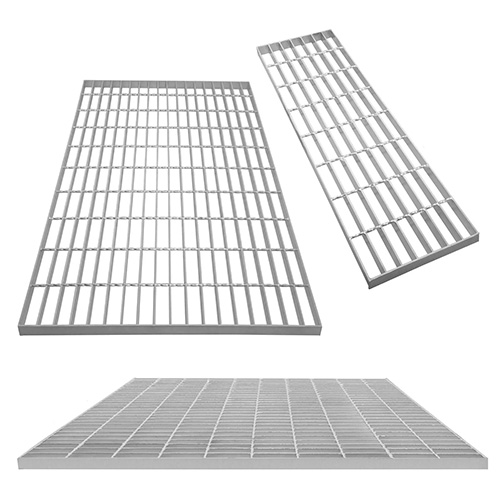
အကြားတွင် ရွေးချယ်မှုသည် တစ်ခုလုံးအတွက် "ပိုကောင်း" သည့်အရာကို ရွေးချယ်ခြင်းမဟုတ်ဘဲ သင့်တော်သော လိုအပ်ချက်အတွက် မည်သည့်အရာကို ရွေးချယ်ရမည်ကို ဆုံးဖြတ်ခြင်းဖြစ်ပါသည်။ သံမဏိကြိုးတံတား ပြီးတော့ အခြားပစ္စည်းတွေကို သုံးဖို့ လိုအပ်တဲ့ အရင်းအနှီး သုံးစွဲမှုတွေ၊ တပ်ဆင်မှု ရှုပ်ထွေးမှုတွေ၊ ဆက်တိုက် ပြုပြင်ထိန်းသိမ်းမှု ကုန်ကျစရိတ်တွေ၊ သက်တမ်းတိုးတာ၊ ပတ်ဝန်းကျင်ဆိုင်ရာ ခံနိုင်ရည်ကို အကဲဖြတ်ဖို့ လိုအပ်ပါတယ်။ တစ်ချိန်တည်းမှာ သံမဏိကြိုးတံတား အချို့သောအသုံးပျော်မှုများတွင် အစပိုင်းတွင် စရိတ်များ ပိုမိုမြင့်မားနိုင်သော်လည်း ၂၀ နှစ်မှ ၅၀ နှစ်အထိ လက်တွေ့ကျသော လုပ်ဆောင်မှုကာလအတွင်း တွက်ချက်ပါက ရှည်လျားသောကာလအတွင်း ငွေကြေးအရ ပိုမိုကောင်းမွန်သော တန်ဖိုးကို ဖော်ပြပါသည်။ ဤဆောင်းပါးတွင် စုစုပေါင်းစရိတ်များ၊ ဖော်မထုတ်သော စရိတ်များနှင့် ဘယ်ကြောင့် သံမဏိကြိုးတံတား ကမ္ဘာတစ်ဝှမ်းရှိ စက်မှုလုပ်ငန်းများ၊ ကုန်သွယ်ရေးလုပ်ငန်းများနှင့် အခြေခံအဆောက်အအိုအ်များအတွက် နှစ်သက်ရှိသော ရွေးချယ်မှုဖြစ်လာသည်ကို ဖော်ပြပါသည်။
အစပိုင်းရင်ပုံငွေ ရင်းနှီးမှုနှင့် တပ်ဆင်မှုစရိတ်များ
သံချောင်းပေါ်တွင် တပ်ဆင်သော တံတားများ၏ စျေးနှုန်းဖွဲ့စည်းပုံ
အလိုအလျောက် ကုတ်ပိုးစက်တစ်စက်၏ သံမဏိကြိုးတံတား သာမန်အားဖြင့် အလယ်အလတ်မှ အမြင့်ဆုံးစျေးနှုန်းအထိ အကွာအဝေးအလျား၊ ဝန်အားအများဆုံးခံနိုင်မှုနှင့် အထူးပြုမှုလိုအပ်ချက်များပေါ်တွင် မူတည်ပါသည်။ စက်မှုလုပ်ငန်းများအတွက် သာမန် သံမဏိကြိုးတံတား တပ်ဆင်မှုစရိတ်များသည် ဒေါ်လာ ၁၅၀၀၀ မှ ၅၀၀၀၀ အထိ ဖြစ်ပါသည်။ သို့သော် အကြီးစား အခြေခံအဆောက်အအိုအ်များအတွက် တပ်ဆင်မှုများသည် ဤစျေးနှုန်းများကို သိသိသာသာ ကျော်လွန်နိုင်ပါသည်။ သံမဏိကြိုးတံတား ဈေးနှုန်းတွင် ပစ္စည်းထုတ်လုပ်မှု၊ ဂလာဗာနိုင်ဇ်လုပ်ခြင်း (သို့) အလ покရောက်လိမ်းခြင်းနှင့် ပို့ဆောင်ခ ပါဝင်သော်လည်း တပ်ဆင်လုပ်အားခမှာ စီမံကိန်းရှုပ်ထွေးမှု၊ နေရာရောက်ကိုင်းအဆင်မပြေမှုနှင့် ဒေသအလိုက် လုပ်အားခနှုန်းထားများပေါ် မူတည်၍ ကွဲပြားသော အပိုဒြပ်စိတ်ဖြစ်သည်။ အရည်အသွေးမြင့် ထုတ်လုပ်မှုနှင့် မျက်နှာပြင်ကုသမှုမှာ အစပိုင်းကုန်ကျစရိတ်ကို တိုးစေသော်လည်း သံမဏိကြိုးတံတား ဤရင်းနှီးမြှုပ်နှံမှုများသည် သက်တမ်းရှည်ခြင်းနှင့် နောင်လာမည့် ထိန်းသိမ်းမှုလိုအပ်ချက်များ လျော့နည်းလာခြင်းနှင့် တိုက်ရိုက်ဆက်စပ်နေသည်။
ပစ္စည်းကုန်ကျစရိတ်နှင့် တပ်ဆင်လုပ်အား နှိုင်းယှဉ်ချက်
သစ်သားတံတားအစားထိုးနည်းလမ်းများသည် အစပိုင်းတွင် ပိုမိုသက်သာသည်ဟု ထင်ရပြီး အလားတူ အကွာအဝေးများအတွက် အခြေခံသစ်သားဖုံးအစီအစဉ်များသည် ဒေါ်လာ ၈,၀၀၀ မှ ၂၅,၀၀၀ အထိ စတင်နိုင်သော်လည်း ဤထင်ရှားသော စုံစမ်းမှုများသည် ပုံမှန်မဟုတ်သော ကုန်ကျစရိတ်များကို ဖုံးကွယ်ထားသည်။ သံမဏိကြိုးတံတား အသုံးပြုမှုအတွက် တိကျသေချာသော နေရာချထားမှုနှင့် ဘောလ်ට်များဖြင့် ချိတ်ဆက်မှုလုပ်ငန်းများ လုပ်ဆောင်ရန် လိုအပ်ပါသည်။ ယင်းလုပ်ငန်းများသည် အလုပ်သမ်းစရိတ်အနေဖြင့် ဒေါ်လာ ၃၀၀၀ မှ ၈၀၀၀ အထိ ပိုမိုကုန်ကျစေပါသည်။ သစ်သားဖြင့် ပြုလုပ်သော အစားထိုးနည်းများသည် ကျွမ်းကျင်သော သစ်လုပ်သမ်းများ၏ လက်ရှိလုပ်ငန်းများနှင့် သစ်သားကို ကာကွယ်ရန် အထူးသော အရေးကြီးသော အလုပ်များကို လုပ်ဆောင်ရန် လိုအပ်ပါသည်။ ယင်းအလုပ်များသည် အလုပ်သမ်းစရိတ်အနေဖြင့် အထက်ပါ အလုပ်သမ်းစရိတ်နှင့် နီးပါးသော စရိတ်များကို ဖော်ပေးပါသည်။ ကွန်ကရစ်ခေါင်းတိုင်များသည် အစပိုင်းတွင် ပိုမိုမြင့်မားသော ရင်းနှီးမြှုပ်နှံမှုစရိတ်များကို လိုအပ်ပါသည်။ သေးငယ်သောမှ အလတ်စားအထ do အသုံးပြုမှုများအတွက် ဒေါ်လာ ၃၅၀၀၀ မှ ၈၀၀၀၀ အထိ ကုန်ကျစေပါသည်။ ထို့ကြောင့် အထက်ပါ စရိတ်များသည် သံမဏိကြိုးတံတား ပစ္စည်းအများအားဖြင့် အမြင့်မားသော စရိတ်ဖြင့် ရောင်းချသော်လည်း စျေးနှုန်းအရ ယှဉ်ပေးနိုင်မှုရှိပါသည်။ ပေါင်းစပ်ထုတ်လုပ်ထားသော ခေါင်းတိုင်များသည် အစပိုင်းတွင် အကုန်အကျအများဆုံးဖြစ်ပါသည်။ အသုံးပြုမှုများမှုအတွက် အလုပ်သမ်းစရိတ်များ မထည့်သော အချိန်တွင်ပင် ဒေါ်လာ ၆၀၀၀၀ ကျော်သော စရိတ်များကို ဖော်ပေးပါသည်။ ထို့ကြောင့် ပေါင်းစပ်ထုတ်လုပ်ထားသော ခေါင်းတိုင်များ၏ စုစုပေါင်းစရိတ်များသည် သံမဏိကြိုးတံတား ပရောဂျက်လိုအပ်ချက်များ။
ထိန်းသိမ်းမှုစရိတ်များနှင့် အသက်တာကာလ စရိတ်ဆိုင်ရာ အကျိုးသက်ရောက်မှုများ
ပစ္စည်းအများအားဖြင့် အများဆုံးအသုံးပြုသော အများအားဖြင့် နှစ်စဥ် ထိန်းသိမ်းမှုလုပ်ငန်းများ
Aသံမဏိကြိုးတံတား အပူချိုးဂဲလ်ဗနီက်ဇင်း (hot-dip galvanizing) သို့မဟုတ် ခေတ်မှီအထုပ်အမြှေးစနစ်များဖြင့် မှန်ကန်စွာ ထုတ်လုပ်ပါက အနည်းဆုံးသော ထိန်းသိမ်းရေးလုပ်ငန်းများသာ လိုအပ်ပြီး တစ်နှစ်လျှင် အကူအညီပေးသည့် စစ်ဆေးမှုများနှင့် အခါအားလျော်စွာ သန့်ရှင်းရေးလုပ်ငန်းများသာ လိုအပ်ပါသည်။ ထိုသို့သော လုပ်ငန်းများ၏ စရိတ်များသည် တစ်နှစ်လျှင် ဒေါ်လာ ၅၀၀ အောက်သာ ကုန်ကျပါသည်။ သစ်သားတံတားများသည် တစ်နှစ်လျှင် အကူအညီပေးသည့် အလုပ်များ၊ ပိုးများနှင့် မှိုများကြောင့် ဖျက်စီးမှုများအတွက် ဖွဲ့စည်းပုံဆိုင်ရာ စစ်ဆေးမှုများ၊ ချောင်းများ အစားထိုးခြင်းနှင့် မျက်နှာပုံပြင်ပေးခြင်းတို့ကို လုပ်ဆောင်ရန် လိုအပ်ပါသည်။ ထိုသို့သော လုပ်ငန်းများ၏ စရိတ်များသည် တစ်နှစ်လျှင် ဒေါ်လာ ၂၀၀၀ မှ ဒေါ်လာ ၅၀၀၀ အထိ ကုန်ကျနိုင်ပါသည်။ ကွန်ကရစ်တံတားများသည် အချိန်ကြောင့် ကွဲအက်မှုများ၊ မျက်နှာပုံပျက်စီးမှုများနှင့် ဆက်စပ်မှုများ ပျက်စီးမှုများ ဖြစ်ပေါ်လာပါသည်။ ထိုသို့သော ပျက်စီးမှုများကို ဖြေရှင်းရန် မျက်နှာပုံပြန်လည်ဖုံးအုပ်ခြင်း၊ ဆက်စပ်မှုများ ပြုပြင်ခြင်းနှင့် သံချေးဖျက်ခြင်းတို့ကို လုပ်ဆောင်ရန် လိုအပ်ပါသည်။ အသက်များပါသည့် တံတားများအတွက် ထိုသို့သော လုပ်ငန်းများ၏ စရိတ်များသည် တစ်နှစ်လျှင် ဒေါ်လာ ၃၀၀၀ မှ ဒေါ်လာ ၆၀၀၀ အထိ ကုန်ကျနိုင်ပါသည်။ ကွမ်းသီးတံတားများသည် သစ်သားနှင့် ကွန်ကရစ်တံတားများထက် ထိန်းသိမ်းရေးလုပ်ငန်းများ နည်းပါသည်။ သို့သော် အထူးသော သန့်ရှင်းရေးနည်းလမ်းများနှင့် အခါအားလျော်စွာ အထုပ်အမြှေးစနစ်များကို စစ်ဆေးရန် လိုအပ်ပါသည်။ ထိုသို့သော လုပ်ငန်းများ၏ စရိတ်များသည် တစ်နှစ်လျှင် ဒေါ်လာ ၁၂၀၀ မှ ဒေါ်လာ ၂၅၀၀ အထိ ကုန်ကျပါသည်။ ထိုကြောင့် သံမဏိကြိုးတံတား အချိန်ကြာမှုအတွင်း ထိန်းသိမ်းရေးအကျိုးကျေးနှုံးများသည် ပိုမိုထင်ရှားလာပါသည်။
အသုံးပြုမှုကာလအတွင်း အစားထိုးခြင်းနှင့် အဓိက ပြုပြင်ခြင်းစရိတ်များ
သစ်သားတံတားများသည် ၁၅ မှ ၂၅ နှစ်အတွင်း အဓိကဖွဲ့စည်းမှုအစားထိုးမှု လိုအပ်ပြီး မူရင်းတည်ဆောက်မှုကုန်ကျစရိတ်၏ ၇၀ မှ ၉၀ ရာခိုင်နှုန်းအထိ ရင်းနှီးမြှုပ်နှံမှု လိုအပ်ပါသည်။ ကွန်ကရစ်ဖွဲ့စည်းမှုများသည် ၃၀ မှ ၄၀ နှစ်အတွင်း ပြားပြားခွာခြင်း၊ သံမဏိချောင်းခြောက်ခြင်းနှင့် ဖွဲ့စည်းမှုပျက်စီးခြင်းတို့ကြောင့် ဈေးကြီးသော ပြန်လည်ပြုပြင်မှု သို့မဟုတ် အစားထိုးမှု လိုအပ်ပြီး ကုန်ကျစရိတ်မှာ မူရင်းရင်းနှီးမြှုပ်နှံမှု၏ ၆၀ မှ ၈၅ ရာခိုင်နှုန်းနှင့် ညီမျှပါသည်။ အေ သံမဏိကြိုးတံတား အင်ဂျင်နီယာစံနှုန်းများနှင့်အညီ ဒီဇိုင်းရေးဆွဲပြီး တပ်ဆင်ထားသော ဖွဲ့စည်းမှုများသည် ၅၀ နှစ် သို့မဟုတ် ထို့ထက်ကြာမြင့်စွာ တည်တံ့ပြီး ပစ္စည်းပျက်စီးမှုမဟုတ်ဘဲ အမှန်တကယ် သက်တမ်းကုန်ဆုံးမှုအပြီးမှသာ အစားထိုးရန် လိုအပ်ကာ ရေရှည်ဘဏ္ဍာရေးညီမျှခြင်းကို ပြောင်းလဲစေပါသည်။ ဝန်ဆောင်မှုသက်တမ်း ပိုမိုရှည်လျားမည်ဟု ကတိပြုထားသော်လည်း ၅၀ မှ ၇၅ နှစ်အထိ ခံနိုင်ရည်ရှိမှုကို အတည်ပြုရန် သမိုင်းဝင်အချက်အလက်များ မလုံလောက်ခြင်းကြောင့် အဆောက်အအုံစီမံခန့်ခွဲသူများအား တွက်ချက်မရသော အစားထိုးစရိတ်အန္တရာယ်ကို ချန်ထားကာ အမှန်တကယ် သက်တမ်းတစ်လျှောက် ကုန်ကျစရိတ်တွက်ချက်မှုများကို မြင့်တက်စေပါသည်။
ပတ်ဝန်းကျင်ဆိုင်ရာ အချက်များနှင့် မမြင်ရသော ကုန်ကျစရိတ် မောင်းနှင်အားများ
သံခြောက်ခြင်းကာကွယ်ခြင်းနှင့် ရာသီဥတုနှင့် ကိုက်ညီအောင် ချိန်ညှိခြင်း
ရေကြောင်း၊ ဓာတုစက်ရုံ သို့မဟုတ် စိုထောင်မှုများများပါသည့် ပတ်ဝန်းကျင်များတွင် အ သံမဏိကြိုးတံတား ကို ပူအေးခေါက်သော ဂဲလ်ဖနီက်ဇ်န် သို့မဟုတ် ခေတ်မှီ ဒူပလက်စ် အလွှာများဖြင့် ကုသထားပါက အသားအများနှင့် ပိုမိုထိရောက်စွာ ခြစ်ယိမ်းမှုကို ခံနိုင်ရည်ရှိပါသည်။ အသားအများဖြင့် ပိုမိုမှုန်းနေသည့် အန္တရာယ်ရှိပါသည်။ ကုန်းစပ်ဒေသများတွင် အသားအများဖြင့် ၃ နှစ်မှ ၅ နှစ်အကြာတွင် အထူးကုသမှုများ ပြုလုပ်ရန် လိုအပ်ပါသည်။ ထိုသို့သော ကာကွယ်ရေး ထိန်းသိမ်းမှုများအတွက် နှစ်စဥ် ၁၅၀၀ မှ ၃၀၀၀ ဒေါ်လာအထ do အသုံးပြုရပါသည်။ အ သံမဏိကြိုးတံတား ကို အလားတူ ခြစ်ယိမ်းမှုများဖြစ်ပေါ်စေသည့် ပတ်ဝန်းကျင်များတွင် ၅၀ နှစ်ကြာ အသုံးပြုနိုင်မည့် အသုံးပြုမှုကာလအတွင်း အကောင်းဆုံး အကောင်းဆုံး အလွှာသစ်ဖော်မှု တစ်ကြိမ်သာ လိုအပ်ပါသည်။ ထိုသို့သော အလွှာသစ်ဖော်မှုအတွက် စီမံထားသည့် အသုံးစရိတ်သည် ၈၀၀၀ မှ ၁၅၀၀၀ ဒေါ်လာအထိ ဖြစ်ပါသည်။ ထိုသို့သော အသုံးစရိတ်သည် နှစ်စဥ် ပြန်လည်ဖြစ်ပေါ်နေသည့် အသုံးစရိတ်များနှင့် မတူဘဲ တစ်ကြိမ်သာ ဖြစ်ပါသည်။ အ သံမဏိကြိုးတံတား သည် ပိုမိုမှုန်းသည့် ရာသီဥတုများတွင် စုစုပေါင်း ပိုင်ဆိုင်မှုစရိတ်များကို နှိုင်းယှဉ်လေ့ရှိပါက ပိုမိုထင်ရှားသည့် အကျိုးကျေးနှုံးရှိပါသည်။ အကြောင်းမှာ အဆိုပါ ပစ္စည်းသည် ခြစ်ယိမ်းမှုကို သဘောထားသည့် အရည်အသွေးရှိသည့်အတွက် အခြားဖြေရှင်းနည်းများတွင် ဖြစ်ပေါ်နေသည့် စုံထောက်စရိတ်များကို ဖျောက်နေသည့်အတွက် ဖြစ်ပါသည်။
ရေစီးဆင်းမှု၊ လုံခြုံရေး အင်္ဂါရပ်များနှင့် လုပ်ဆောင်မှုအကျိုးကျေးနှုံးများ
Aသံမဏိကြိုးတံတား ရေစီးဆင်းမှု အားသော်လည်းကောင်းမွန်ပါသည်။ ထိုကြောင့် လုံခြုံရေးအန္တရာယ်များဖြစ်စေပါသည်။ သစ်သား သို့မဟုတ် ကွန်ကရစ် အခဲပေါ်တွင် ရေစုပုံခြင်းနှင့် ရေခဲဖွဲ့စည်းခြင်းကို ကာကွယ်ပေးပါသည်။ ထိုသို့သော အန္တရာယ်များသည် ပစ္စည်းများ ပျက်စီးမှုကို မြန်မြန်ဖြစ်စေပါသည်။ ရေစီးဆင်းမှု အားသော်လည်းကောင်းမွန်ခြင်းကြောင့် အန္တရာယ်ရှိသော အခြေအနေများကို ထိန်းသိမ်းရေး စရိတ်များ၊ တာဝန်ယူမှု အန္တရာယ်များနှင့် အပိုဆောင်း ရေစီးဆင်းမှု အဆောက်အဦးများ တပ်ဆင်ရန် လိုအပ်သော အပိုဆောင်း ရန်ပုံငွေ ရင်းနှီးမှုများကို လျော့နည်းစေပါသည်။ ထိုသို့သော အဆောက်အဦးများသည် အခြား ရန်ပုံငွေ ရင်းနှီးမှုများကို လိုအပ်ပါသည်။ သံမဏိကြိုးတံတား အဖွင့် ဇလ်အမျှင် ဒီဇိုင်းသည် မြေပြင်အခြေအနေများကို ဖုံးကွယ်သော အခဲပေါ်တွင် တည်ဆောက်ထားသော အဆောက်အဦးများထက် လူသားများနှင့် ယာဉ်များအတွက် ပိုမိုကောင်းမွန်သော မြင်ကွင်းနှင့် ပိုမိုလုံခြုံသော အခြေအနေများကို ပေးစေပါသည်။ လုံခြုံရေး တိုးတက်မှုများသည် အမှုမှုများ လျော့နည်းခြင်း၊ အာမခံ ပေးခွန်များ လျော့နည်းခြင်းနှင့် တာဝန်ယူမှု အမှုများ လျော့နည်းခြင်းကို ဖော်ပေးပါသည်။ ထိုသို့သော အကျိုးကျေးဇူးများသည် ပစ္စည်းစရိတ်များကို ရှုမြင်သည့် ရိုးရှင်းသော နှိုင်းယှဉ်မှုများတွင် မကြာခဏ လျော့နည်းစေပါသည်။ သို့သော် ၂၀ မှ ၅၀ နှစ်ကြာသော ပစ္စည်းများ၏ အသက်တာကာလ တစ်လျှောက် အကဲဖြတ်ပါက အရေးကြီးသော အကျိုးကျေးဇူးများ ရှိပါသည်။
ဘဏ္ဍာရေး နှိုင်းယှဉ်မှုနှင့် အမြတ်အစွန်း အမျှင်ခြင်း အကဲဖြတ်ခြင်း
အမျှင်ခြင်းကာလများတွင် ပိုင်ဆိုင်မှု စုစုပေါင်း စရိတ်
သုံးသပ်မှုအတွက် စက်မှုလုပ်ငန်း သေးငယ်သော နမူနာ သံမဏိကြိုးတံတား အလျား ၂၀ ပေ ရှိပြီး အစပိုင်း ကုန်ကုန်သုံးစွဲမှု ဒေါ်လာ ၃၅,၀၀၀ နှင့် နှစ်စဥ် ထိန်းသိမ်းရေး ကုန်ကုန်သုံးစွဲမှု ဒေါ်လာ ၃၀၀ ဖြင့် ၃၀ နှစ်မှာ အကူအညီပေးသည့် အလွှာအသစ် တစ်ခု ထပ်မံ လုပ်ဆောင်ရန် စီစဥ်ထားသည့်အတွက် ၅၀ နှစ်ကြာ စုစုပေါင်း ကုန်ကုန်သုံးစွဲမှုသည် ဒေါ်လာ ၅၀,၀၀၀ ခန့် ရှိသည်။ အလားတူ သစ်သား တံတားတစ်ခုသည် အစပိုင်း ကုန်ကုန်သုံးစွဲမှု ဒေါ်လာ ၁၈,၀၀၀ ဖြင့် စတင်သော်လည်း နှစ်စဥ် ထိန်းသိမ်းရေး ကုန်ကုန်သုံးစွဲမှု ဒေါ်လာ ၃,၅၀၀ နှင့် ၂၀ နှစ်မှာ အစားထိုးရန် နှင့် ၄၀ နှစ်မှာ အစားထိုးရန် လိုအပ်သည့်အတွက် ၅၀ နှစ်ကြာ စုစုပေါင်း ကုန်ကုန်သုံးစွဲမှုသည် ဒေါ်လာ ၁၃၅,၀၀၀ ကျော်သည်။ ကွန်ကရစ် တံတားတစ်ခုသည် အစပိုင်း ကုန်ကုန်သုံးစွဲမှု ဒေါ်လာ ၅၅,၀၀၀ ဖြင့် စတင်ပြီး နှစ်စဥ် ထိန်းသိမ်းရေး ကုန်ကုန်သုံးစွဲမှု ဒေါ်လာ ၄,၀၀၀ နှင့် ၃၅ နှစ်မှာ အဓိက ပြုပြင်မှု လုပ်ရန် လိုအပ်သည့်အတွက် စုစုပေါင်း ပိုင်ဆိုင်မှု ကုန်ကုန်သုံးစွဲမှုသည် ဒေါ်လာ ၁၅၀,၀၀၀ နီးပါး ရှိပြီး အထက်ပါ သံမဏိကြိုးတံတား ဘဏ္ဍာရေး အချက်အလက်များနှင့် နှိုင်းယှဉ်ပါက သံမဏိကြိုးတံတား သည် သစ်သား အစားထိုးမှုများနှင့် ၈ မှ ၁၂ နှစ်အတွင်း အမြတ်အစွန်း အမျှအောင် ရှိလာပြီး ကွန်ကရစ် တံတားများနှင့် ၁၀ မှ ၁၅ နှစ်အတွင်း တန်ဖိုးအရ ကျော်လွန်သည်။ ထို့ကြောင့် အများစုသော အသုံးပြုမှုများအတွက် ဘဏ္ဍာရေးအရ အကောင်းဆုံး ရွေးချယ်မှုဖြစ်သည်။
အမြတ်အစွန်း ပြန်လာမှုနှင့် ဗျူဟာမြောက် ရင်းနှီးမှု စီမံခန့်ခွဲမှု
အဖွဲ့အစည်းများသည် အ သံမဏိကြိုးတံတား ရင်းနှီးမြှုပ်နှံမှုသည် အကြိမ်ကြိမ် ပြန်လည်ရင်းနှီးမြှုပ်နှံမှု လိုအပ်သည့် ရေတို ကုန်ကျစရိတ်သက်သာမှုထက် ခန့်မှန်းနိုင်သော၊ အနည်းဆုံး ကုန်ကျစရိတ်များနှင့် အရင်းအမြစ်သက်တမ်းတိုးစေသော မဟာဗျူဟာ အရင်းအမြစ်ခွဲဝေမှုအဖြစ် ဆုံးဖြတ်ချက်ကို ဖွဲ့စည်းသင့်သည်။ A သံမဏိကြိုးတံတား အနည်းဆုံး ထိန်းသိမ်းမှုဖြင့် နှစ် ၅၀ သက်တမ်းရှိသည့် စီမံကိန်းသည် ရေရှည် ဘဏ္ဍာရေး စီမံကိန်းချရေးကို ရိုးရှင်းစေပြီး စီမံခန့်ခွဲမှု ရှုပ်ထွေးမှုကို လျှော့ချပေးသော တည်ငြိမ်ပြီး ဘတ်ဂျက်ချမှတ်နိုင်သော လုပ်ငန်းသုံးစရိတ်များကို ဖန်တီးပေးသည်။ သံမဏိကြိုးတံတား ရွေးချယ်မှုသည် ပြင်ဆင်ခြင်းနှင့် အစားထိုးခြင်းမှ ဖြစ်ပေါ်သော လုပ်ငန်းပျက်စီးမှုကိုလည်း လျော့နည်းစေပြီး တည်ငြိမ်သော စက်ရုံ ထုတ်လုပ်မှုကို ဖြစ်ပေါ်စေပြီး သစ်သား သို့မဟုတ် ကွန်ကရစ် တည်ဆောက်မှု ပျက်စီးမှုနှင့် ဆက်စပ်သော မမျှော်လင့်သော အရေးပေါ် ကုန်ကျစရိတ်များကို ဖယ်ရှားပေးသည်။ စက်မှု၊ ကုန်သွယ်ရေးနှင့် အခြေခံအဆောက်အအုံ အသုံးများအတွက် သံမဏိကြိုးတံတား ကုန်ကျစရိတ်အကျိုးကျေးဇူးဟာ ပထမ ၁၅ နှစ်စီမံကိန်းချမှတ်မှုကာလအတွင်းမှာ ထင်ရှားလာပြီး မျှော်မှန်းထားတဲ့ အရင်းအမြစ် သက်တမ်းတစ်ခုလုံးမှာ သိသိသာသာ တိုးပွားလာပါတယ်။
မေးလေ့ရှိသောမေးခွန်းများ။
သံမဏိကြိုးတံတား တပ်ဆင်မှု ကုန်ကျစရိတ်ကို အရေးပါဆုံး သက်ရောက်မှု ရှိတဲ့ အကြောင်းရင်းတွေက ဘာတွေလဲ။
ကုန်ကျစရိတ် အဓိက မောင်းနှင်သူ သံမဏိကြိုးတံတား ပရောဂျက်တွင် အကွာအဝေး၊ ဘောင်ချာမှုနှုန်း၊ ပစ္စည်းအထူ၊ မျက်နှာပုံသွင်ပြင်အမျိုးအစား (ဟော့-ဒစ်ပ် ဂဲလ်ဗနီဇေးရှင်း သို့မဟုတ် အပိုက်စီ ကုတ်တင်ခြင်း)၊ အထူးပြုမှုအသေးစိတ်အချက်များ၊ ပို့ဆောင်ရေးအကွာအဝေးနှင့် တပ်ဆင်ရေးနေရာ၏ ရှုပ်ထွေးမှုအဆင့်အတန်း တို့ပါဝင်သည်။ ဘူမိဌာန်နေရာသည် အလုပ်သမားစရိတ်များနှင့် ရနှိုင်းနိုင်မှုကို သက်ရောက်စေပြီး ပစ္စည်းထုတ်လုပ်မှု၏ ရှုပ်ထွေးမှုအဆင့်အတန်းနှင့် စံသတ်မှတ်ချက်အတိုင်းဖြစ်မြောက်မှု သို့မဟုတ် စံသတ်မှတ်ချက်မဟုတ်သော ဖွဲ့စည်းမှုများကို လိုအပ်မှုရှိမှုတို့သည် ထုတ်လုပ်မှုစရိတ်များကို သက်ရောက်စေသည်။ သံမဏိကြိုးတံတား နေရာပြင်ဆင်ခြင်း၊ အုတ်မူးအလုပ်များနှင့် ရှိပ already သော အခြေခံအဆောက်အအုံများနှင့် ပေါင်းစပ်မှုတို့သည် အခြေခံပစ္စည်းနှင့် စုစည်းမှုစရိတ်များကို ကျော်လွန်၍ ပရောဂျက်စရိတ်များကို သ significantly က်ရောက်စေနိုင်သည်။ သံမဏိကြိုးတံတား ပစ္စည်းနှင့် စုစည်းမှုစရိတ်
သံခွက်ပေါင်းစည်းမှုဖြင့် ပြုလုပ်ထားသော တံတားတစ်ခုအတွက် ၃၀ နှစ်ကြာမျှ ပြုပြင်ထိန်းသောင်းစရိတ်များကို သစ်သား သို့မဟုတ် ကွန်ကရစ်ဖြင့် ပြုလုပ်ထားသော တံတားများနှင့် နှိုင်းယှဉ်ပါက မည်သို့ဖြစ်သနည်း။
သင်္ကြန်အိုင်းဖြင့် အကောင်းစွာ ဖုံးအုပ်ထားသော သံမဏိကြိုးတံတား သုံးဆယ်နှစ်ကြာတွင် စစ်ဆေးခြင်းနှင့် သန့်ရှင်းရေးအတွက် အများအားဖြင့် ၉၀၀၀ ဒေါ်လာမှ ၁၅၀၀၀ ဒေါ်လာအထိ ပုံမှန်ပြုပြင်ထိန်းသိမ်းမှုစရိတ်ကုန်ကြေးများ ကုန်ကျပါသည်။ သစ်သားတံတားများသည် အလားတူကာလအတွင်း စစ်ဆေးခြင်း၊ ကုန်းမှုန်းမှုများ အသုံးပြုခြင်းနှင့် ဖွဲ့စည်းပုံပြုပြင်မှုများအတွက် စုစုပေါင်း ၆၀၀၀၀ ဒေါ်လာမှ ၁၅၀၀၀၀ ဒေါ်လာအထိ ပြုပြင်ထိန်းသိမ်းမှုစရိတ်ကုန်ကြေးများ ကုန်ကျပါသည်။ ထို့အပြင် အစားထိုးမှုစရိတ်များလည်း ဖြစ်နိုင်ပါသည်။ ကွန်ကရစ်တံတားများသည် သုံးဆယ်နှစ်အတွင်း ပြုပြင်ထိန်းသိမ်းမှု၊ ပြုပြင်မှုများ၊ ဆက်စပ်မှုများ ပြုပြင်မှုများနှင့် နောက်ဆုံးတွင် ပြန်လည်ပြုပြင်မှု (သို့) အစားထိုးမှုများအတွက် ၉၀၀၀၀ ဒေါ်လာမှ ၁၈၀၀၀၀ ဒေါ်လာအထိ စရိတ်ကုန်ကျပါသည်။ ထိုသို့သော စရိတ်ကုန်ကျမှုများသည် သံမဏိကြိုးတံတား ပြုပြင်ထိန်းသိမ်းမှုဝန်ပေါ်လွန်စွာ များပါသည်။
ဘယ်လောက်အထိ စီမံကိန်းအရွယ်အစားတွင် သံမှုန်ကြမ်းပြားသော တံတားသည် အခြားသော ပစ္စည်းများထက် စုစုပေါင်းစရိတ်သက်သာမှုရှိပါသလဲ။
၁၅ ပေအောက် အကွာအဝေးရှိပြီး အလေးချိန်နည်းသော အသုံးပြုမှုများအတွက် သံမှုန်ကြမ်းပြားသော တံတားနှင့် သံမဏိကြိုးတံတား သစ်သားတံတားများအကြား စရိတ်ကုန်ကျမှုများ ကွာခြားမှုသည် သိပ်များမှုများ ဖြစ်နိုင်သော်လည်း သံမဏိကြိုးတံတား အသက်တာစုစုပေါင်း အကျိုးကျေးဇူးများသည် ဆက်လက်၍ အားကောင်းနေပါသည်။ ၁၅ ပေမှ ၄၀ ပေအထိ အကွာအဝေးရှိပြီး စက်မှုလုပ်ငန်းအသုံးပြုမှုများအတွက် သံမှုန်ကြမ်းပြားသော တံတားသည် သံမဏိကြိုးတံတား အသုံးပြုမှုကုန်ကုန်က зат် နှင့် ဝန်ဆောင်မှုသက်တမ်းကြာရှည်လာခြင်းကြောင့် ၁၀ နှစ်မှ ၁၅ နှစ်အတွင်းတွင် စျေးနှုန်းအရ ပိုမိုထိရောက်မှုရှိလာပါသည်။ ၄၀ ပေထက်ပိုမိုရှည်လေးသော အကွာအဝေးများ သို့မဟုတ် အထူးသော ဘောင်ဖောင်းမှုများအတွက် အသုံးပြုရှိသည့် အခြားပစ္စည်းများသည် စျေးနှုန်းများလေးသောကြောင့် ချက်ချင်းပဲ စျေးနှုန်းအရ အကျိုးကျေးဇူးများ ပေါ်ပေါက်လာပါသည်။ သံမဏိကြိုးတံတား အခြားပစ္စည်းများသည် စျေးနှုန်းများလေးသောကြောင့် ချက်ချင်းပဲ စျေးနှုန်းအရ အကျိုးကျေးဇူးများ ပေါ်ပေါက်လာပါသည်။ သံမဏိကြိုးတံတား ဖြေရှင်းနည်းသည် ပစ္စည်းအားလုံး၏ အသုံးပြုမှုသက်တမ်းတစ်လုံးလုံးအတွက် အထူးသော တန်ဖိုးကို ပေးစေပါသည်။