EN
EN



Comparación de tipos de rejillas: adecuadas para las necesidades de construcción
Seleccionar el derecho rejilla para proyectos de construcción requiere comprender cómo los distintos materiales, diseños y características de rendimiento de las rejillas se alinean con las condiciones específicas del sitio y las restricciones presupuestarias. Los equipos de construcción enfrentan decisiones complejas al elegir soluciones de rejillas, ya que cada tipo ofrece ventajas distintas en capacidad de carga, resistencia a la corrosión, facilidad de instalación y requisitos de mantenimiento a largo plazo. Una selección inadecuada de rejillas puede provocar fallos prematuros, riesgos para la seguridad y costos imprevistos de reemplazo que interrumpen los cronogramas del proyecto y aumentan el presupuesto.
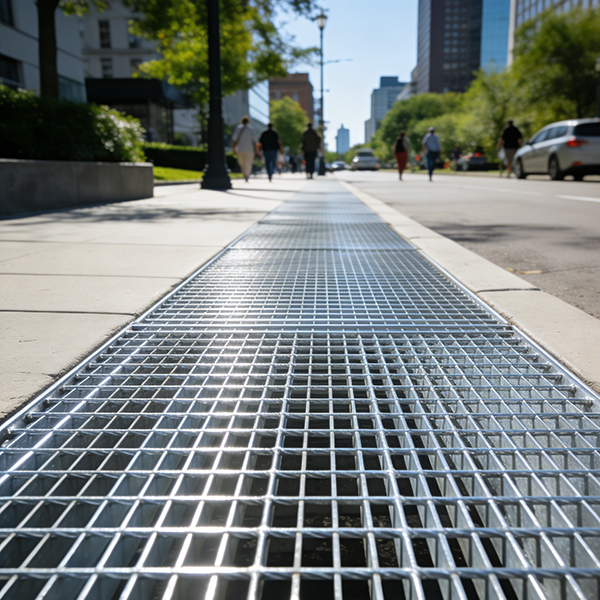
Comprender cómo comparar las opciones de rejillas permite a los directores de construcción, ingenieros y planificadores de instalaciones tomar decisiones informadas que equilibren el rendimiento, la rentabilidad y la fiabilidad operativa.
Características de las rejillas de acero y aplicaciones en construcción
Durabilidad y capacidad de carga de las rejillas de acero
La rejilla de acero se erige como la opción preferida por la industria en entornos de construcción de alta exigencia, ofreciendo una capacidad excepcional de soporte de cargas y una durabilidad comprobada en aplicaciones rigurosas. La rejilla de acero puede soportar cargas estáticas y dinámicas considerables, lo que la convierte en ideal para plataformas industriales, escaleras, pasarelas y puntos de acceso a equipos donde la capacidad de carga es crítica. La integridad estructural de la rejilla de acero permite a los equipos de construcción diseñar sistemas capaces de soportar cargas concentradas y tráfico vehicular sin deformación ni pérdida de rendimiento, garantizando así la seguridad de los trabajadores y la protección de los equipos durante una larga vida útil.
Cuando está adecuadamente recubierto o galvanizado, la rejilla de acero resiste la corrosión en entornos agresivos, como obras de construcción al aire libre, zonas de procesamiento químico y lugares propensos a la humedad. La ventaja de instalación de la rejilla de acero radica en sus métodos de fijación familiares, su compatibilidad con conexiones estructurales estándar y la disponibilidad de contratistas experimentados en el montaje de rejillas de acero. Muchos proyectos de construcción adoptan como estándar la rejilla de acero porque este material se integra sin problemas con estructuras metálicas existentes y mantiene un comportamiento predecible ante fluctuaciones térmicas y exposición estacional.
Consideraciones de costo y mantenimiento de la rejilla de acero
La rejilla de acero suele ofrecer precios iniciales competitivos en comparación con alternativas premium, especialmente en proyectos a gran escala donde el volumen de material impulsa economías de escala. Sin embargo, el costo total de propiedad de la rejilla de acero depende en gran medida de la selección del tratamiento superficial: la rejilla de acero sin recubrimiento requiere pintura de mantenimiento continua, mientras que la rejilla de acero galvanizada o recubierta con epoxi prolonga los intervalos entre tratamientos protectores. Los presupuestos de construcción deben considerar los ciclos de mantenimiento a largo plazo al evaluar la rejilla de acero, ya que los costos de control de la corrosión se acumulan durante décadas de servicio, especialmente en entornos costeros o en instalaciones con exposición agresiva a productos químicos.
La facilidad de acceso para reparar o sustituir rejillas de acero representa otra ventaja económica, ya que las secciones dañadas suelen poder cortarse y soldarse nuevas rejillas de reemplazo sin necesidad de retirar por completo el sistema. Esta flexibilidad en el mantenimiento mantiene los costos totales durante todo el ciclo de vida predecibles y reduce al mínimo el tiempo de inactividad durante las intervenciones correctivas, lo cual resulta muy valioso en obras en construcción activas e instalaciones operativas que no pueden tolerar interrupciones prolongadas del acceso.
Ventajas de las rejillas de aluminio y soluciones constructivas ligeras
Reducción de peso y ventajas en la instalación de rejillas de aluminio
La rejilla de aluminio ofrece ventajas sustanciales de peso frente a la rejilla de acero, lo que permite una instalación más rápida, requisitos reducidos de soporte estructural y un manejo simplificado en obras donde la logística de equipos limita el movimiento de materiales. Los equipos de construcción valoran la rejilla de aluminio porque su menor peso reduce la mano de obra necesaria para la instalación, disminuye los costos de alquiler de equipos para su posicionamiento y facilita la incorporación en estructuras existentes, donde agregar una rejilla de acero pesada requeriría refuerzos costosos. La rejilla de aluminio mantiene una capacidad de carga respetable en relación con su peso, lo que la hace especialmente adecuada para plataformas elevadas, estructuras temporales y aplicaciones donde la implementación rápida justifica los costos superiores del material.
La resistencia a la corrosión de la rejilla de aluminio elimina la necesidad de recubrimientos en la mayoría de los entornos, reduciendo drásticamente los ciclos de mantenimiento en comparación con la rejilla de acero, que exige renovaciones periódicas de pintura o tratamientos superficiales. Los componentes de rejilla de aluminio resisten naturalmente la oxidación mediante la formación de una película pasiva de óxido, ofreciendo décadas de servicio en entornos costeros, regiones húmedas e instalaciones expuestas a productos químicos complejos, donde la rejilla de acero requeriría protocolos agresivos de gestión de la corrosión.
Limitaciones de capacidad de carga y alcance de aplicación de la rejilla de aluminio
Aunque la rejilla de aluminio destaca en aplicaciones ligeras y resistentes a la corrosión, los ingenieros de construcción deben reconocer que la rejilla de aluminio no puede igualar la capacidad de carga de una rejilla de acero de espesor equivalente, soportando típicamente del 40 al 60 por ciento de las cargas de una rejilla de acero comparable. Esta limitación hace que la rejilla de aluminio sea inadecuada para plataformas industriales de alto tráfico, vías de acceso vehicular o aplicaciones donde se produzca con regularidad el desplazamiento de equipos pesados. Las especificaciones de construcción deben coincidir con precisión en dimensiones de la rejilla de aluminio y en la separación entre sus soportes, según las cargas previstas; pues dimensionar de forma insuficiente la rejilla de aluminio genera riesgos para la seguridad y posibles fallos bajo cargas concentradas que apenas afectarían a rejillas equivalentes de acero.
La rejilla de aluminio cuesta sustancialmente más que la rejilla de acero por unidad de superficie, lo que exige una justificación cuidadosa mediante beneficios de reducción de peso, cronogramas de instalación acelerados o eliminación de ciclos de mantenimiento costosos. Para muchos proyectos de construcción, la rejilla de aluminio representa la opción óptima únicamente cuando restricciones ambientales u operativas específicas hacen inviable el uso de rejilla de acero, como en entornos marinos donde el acero desnudo se deteriora rápidamente o en instalaciones que requieren soluciones totalmente libres de mantenimiento durante todo el ciclo de vida del proyecto.
Rejilla de plástico reforzado con fibra de vidrio para aplicaciones químicas y no conductoras
Resistencia química y durabilidad ambiental de la rejilla de fibra de vidrio
La rejilla de plástico reforzado con fibra de vidrio destaca en entornos químicamente agresivos, donde las rejillas de acero y de aluminio se deteriorarían rápidamente, como en instalaciones petroquímicas, plantas de tratamiento de agua, centros de procesamiento de residuos y aplicaciones industriales que implican exposición a líquidos o gases corrosivos. La rejilla de fibra de vidrio resiste prácticamente todos los productos químicos industriales comunes, productos petrolíferos y agentes biológicos sin sufrir degradación ni comprometer su rendimiento, ofreciendo una vida útil de 20 a 30 años en condiciones que reducirían las rejillas de acero a óxido o las de aluminio a picaduras en tan solo 5 a 10 años. Las propiedades no conductoras de la rejilla de fibra de vidrio aportan beneficios adicionales de seguridad en zonas con riesgo eléctrico, eliminando la necesidad de puesta a tierra y reduciendo las complejidades de seguridad eléctrica que limitan la instalación de rejillas de acero y de aluminio.
Las características de comportamiento frente al fuego de la rejilla de fibra de vidrio varían según la resina seleccionada, y algunas formulaciones cumplen con exigentes normas de propagación de llamas y desarrollo de humo requeridas en aplicaciones marítimas, aeronáuticas y en estructuras ocupadas. Las especificaciones de construcción pueden seleccionar formulaciones de rejilla de fibra de vidrio que coincidan exactamente con los parámetros específicos de exposición ambiental, los requisitos de compatibilidad química y las normas de rendimiento, sin comprometer la consistencia ni la fiabilidad del material a lo largo del ciclo de vida del proyecto.
Compromisos entre peso, instalación y costo de la rejilla de fibra de vidrio
La rejilla de fibra de vidrio combina las ventajas de ligereza de la rejilla de aluminio con una resistencia a la corrosión superior, aunque sigue siendo significativamente más cara que la rejilla de acero y la rejilla de aluminio por unidad de superficie, lo que limita su adopción a aplicaciones donde el entorno químico o los requisitos de no conductividad justifican su costo premium. La instalación de la rejilla de fibra de vidrio sigue patrones de fijación familiares, aunque la selección de los elementos de fijación exige hardware especializado no conductor para preservar los beneficios de aislamiento eléctrico que llevan a los equipos de construcción y de instalaciones, sensibles a la seguridad, a especificar la rejilla de fibra de vidrio.
La capacidad de carga de la rejilla de fibra de vidrio se aproxima al rendimiento de la rejilla de aluminio, siendo adecuada para el tránsito de personal y equipos ligeros, pero insuficiente para cargas vehiculares pesadas o cargas concentradas sostenidas, como las que se encuentran en obras activas. Los requisitos de mantenimiento de la rejilla de fibra de vidrio siguen siendo mínimos durante toda su vida útil; la limpieza rutinaria y las inspecciones ocasionales constituyen las principales actividades de cuidado necesarias para mantener su rendimiento y prolongar su vida útil más allá de las garantías iniciales del fabricante.
Marco comparativo de selección para proyectos de construcción
Evaluación de la exposición ambiental al seleccionar rejillas
La selección eficaz de rejillas comienza con un análisis exhaustivo de la exposición ambiental, evaluando los niveles de humedad, las temperaturas extremas, la exposición química, la intensidad de la radiación ultravioleta y las condiciones de salinidad que interactuarán con los materiales candidatos para las rejillas durante su vida útil prevista. Los equipos de construcción que implementan soluciones de rejillas en entornos costeros, zonas de procesamiento químico o instalaciones con exposiciones operativas agresivas se benefician de rejillas de aluminio o de fibra de vidrio, que eliminan las preocupaciones relacionadas con la corrosión que dominan la gestión del ciclo de vida de las rejillas de acero. Las ubicaciones interiores templadas con exposición química mínima suelen permitir la instalación de rejillas de acero, donde su durabilidad comprobada, su capacidad de carga y su eficiencia de costos justifican protocolos de mantenimiento estándar que las rejillas de aluminio y las de fibra de vidrio eliminan.
Requisitos de carga y patrones de tráfico que influyen en las decisiones sobre rejillas
Los patrones de tráfico previstos, los pesos de los equipos y la intensidad del movimiento de vehículos determinan si la rejilla debe soportar cargas concentradas pesadas o, principalmente, permitir el acceso del personal en condiciones operativas normales. La rejilla de acero sigue siendo la solución óptima para plataformas vehiculares, rutas de acceso para equipos pesados y aplicaciones donde la carga supera las capacidades de las alternativas de rejilla de aluminio y de fibra de vidrio. Las especificaciones de construcción deben detallar las cargas puntuales máximas, las estimaciones de cargas distribuidas y los eventos de carga dinámica que someterán a esfuerzo los sistemas de rejilla, garantizando que los materiales de rejilla seleccionados y la separación entre sus soportes ofrezcan márgenes de seguridad sustanciales para prevenir fallos prematuros o deformaciones excesivas.
Preguntas frecuentes
¿Qué tipo de rejilla ofrece la mejor resistencia a la corrosión para entornos de construcción marina?
La rejilla de plástico reforzado con fibra de vidrio ofrece una resistencia superior a la corrosión en entornos marinos, seguida de la rejilla de aluminio, cuya pasivación natural por óxido la protege. La rejilla de acero requiere galvanización costosa o sistemas avanzados de recubrimiento para resistir la exposición a la niebla salina, lo que hace que la rejilla de fibra de vidrio y la rejilla de aluminio sean opciones más rentables para proyectos de construcción costeros, donde los gastos a largo plazo de gestión de la corrosión superan las primas iniciales de los materiales alternativos.
¿Puede la rejilla de aluminio soportar tráfico vehicular en las vías de acceso a obras?
La rejilla de aluminio normalmente no puede soportar de forma segura el tráfico vehicular sostenido ni el desplazamiento de equipos pesados; la rejilla de acero sigue siendo la opción estándar para plataformas de acceso vehicular y aplicaciones que requieren una alta capacidad de carga. Cuando los proyectos de construcción exigen alternativas ligeras para aplicaciones vehiculares, las formulaciones reforzadas de rejilla de fibra de vidrio diseñadas para servicio pesado pueden ofrecer soluciones viables, aunque sus costos superan sustancialmente los de los materiales convencionales de rejilla en escenarios de tráfico estándar.
¿Qué requisitos de mantenimiento se aplican a la rejilla de fibra de vidrio a lo largo de los ciclos de vida típicos de los proyectos?
La rejilla de fibra de vidrio requiere un mantenimiento mínimo más allá de la limpieza periódica y la inspección visual para detectar daños o degradación; a diferencia de la rejilla de acero, que necesita repintado periódico, o la rejilla de aluminio, que requiere selladores especializados, la rejilla de fibra de vidrio mantiene su rendimiento gracias a su resistencia química pasiva, sin necesidad de medidas activas de protección. Las instalaciones de construcción que implementan rejillas de fibra de vidrio se benefician de una reducción drástica en la mano de obra de mantenimiento, la eliminación de los ciclos de pintura y unos costos predecibles de propiedad a largo plazo, lo que justifica su adopción en aplicaciones con alta agresividad química, donde la carga de mantenimiento pasa a ser una consideración secundaria tras los requisitos de rendimiento del material.